Have you ever wondered if your passion for storytelling could actually pay the bills? In the digital age, the ability to transform raw footage into cinematic gold is more than just a creative hobby—it is a highly marketable asset.
As businesses scramble to capture attention on social media, the demand for professional creators has skyrocketed. You can turn your technical skills into a sustainable career by exploring freelance video editing jobs that match your unique style.
Transitioning from a casual creator to a professional requires dedication and a clear roadmap. Whether you are refining your portfolio or learning how to pitch to clients, finding success starts with realistic expectations. If you are ready to build your own business, you can find comprehensive resources on how to start your journey today.
Key Takeaways
- Professional editing is a high-demand skill essential for modern digital marketing.
- Success requires a blend of technical proficiency and a strong, curated portfolio.
- Building a reputation on established platforms helps you secure your first clients.
- Consistent communication and meeting deadlines are vital for long-term growth.
- You can scale your income by specializing in specific niches like social media or e-commerce.
Understanding Freelance Video Editing
If you want to land high-paying freelance video editing gigs, you need to understand the craft behind the screen. It is not just about moving clips around; it is about shaping a narrative that resonates with an audience. Whether you are working on social media ads or long-form documentaries, your ability to manipulate raw footage is your most valuable asset.
What is Video Editing?
At its core, video editing is the process of selecting, rearranging, and modifying video shots to create a cohesive final product. This post-production phase involves much more than simple trimming. You will spend time on color grading to set the mood, sound design to build atmosphere, and precise cutting to maintain the viewer’s attention.
Think of it as the final rewrite of a script. By adjusting the pacing and flow, you transform hours of raw, unorganized footage into a polished story. This technical foundation is essential for anyone looking to provide professional services in the creative industry.
The Role of a Freelance Video Editor
When you transition into freelancing, your responsibilities expand beyond the timeline. You are no longer just an artist; you are a business owner. You must manage client expectations, handle project deadlines, and market your services to secure consistent freelance video editing gigs.
Successful freelancers balance their creative vision with the practical needs of their clients. Much like those who pursue freelance software development, you must be reliable, communicative, and highly organized. You are the bridge between a client’s raw idea and their final, polished vision.
Key Skills Required
To thrive in this competitive field, you need a specific set of core competencies. First, technical proficiency is non-negotiable. You should be comfortable with industry-standard software like Adobe Premiere Pro or DaVinci Resolve.
Beyond software, you must master these three pillars:
- Storytelling: Understanding how to structure a narrative to keep viewers engaged.
- Organization: Managing complex project files and assets efficiently.
- Communication: Translating client feedback into actionable edits.
By sharpening these skills, you position yourself to handle the diverse demands of modern content creation. Consistency in your output will eventually lead to more opportunities and higher-paying projects.
Benefits of Freelancing in Video Editing
Transitioning into a freelance career allows you to redefine how, where, and when you work. While the prospect of being your own boss is exciting, it requires a realistic mindset to balance the freedom of the lifestyle with the challenges of an inconsistent workload. You must also account for the lack of traditional corporate benefits, such as health insurance or paid time off, which you will now need to manage independently.
Flexibility and Autonomy
One of the most significant advantages of this career path is the ability to design your own environment. Whether you prefer working from a quiet local coffee shop or a beach in Bali, remote video editor jobs provide the freedom to choose your workspace. You are no longer tethered to a cubicle, allowing you to build a schedule that aligns with your most productive hours.
This autonomy extends to your daily routine, giving you the power to prioritize personal commitments alongside your professional deadlines. True freedom comes from the ability to dictate your own pace, provided you remain disciplined enough to meet client expectations consistently.
Diverse Project Opportunities
The market for visual content is vast and constantly expanding. By exploring various video production freelance opportunities, you can work on everything from high-end real estate tours to fast-paced social media advertisements for e-commerce brands. This variety keeps your creative skills sharp and prevents the monotony often found in static, long-term corporate roles.
Engaging with different industries allows you to build a versatile portfolio that showcases your adaptability. If you are ready to start your journey, you can find work as a freelancer by targeting specific niches that interest you most.
Potential for Higher Earnings
Your income potential as a freelancer is not capped by a fixed salary. As you gain experience and specialize in high-demand niches, you can command significantly higher rates for your freelance video editing projects. The ability to choose your clients means you can focus on high-value partnerships that respect your expertise and budget requirements.
Success in this field often scales with your reputation and the quality of your output. While the initial stages may involve fluctuating income, strategic specialization often leads to a more sustainable and lucrative business model over time.
Building Your Portfolio
Think of your portfolio as the digital storefront that convinces clients to hire you. It acts as a visual resume, allowing potential partners to evaluate your technical capabilities at a glance. Quality always outweighs quantity when you are starting out.
You do not need to include every project you have ever finished. Instead, focus on the work that represents the type of jobs you want to attract in the future. If you want to edit high-energy commercials, leave out the slow-paced wedding videos.
Selecting Your Best Work
Curating your portfolio requires a critical eye. Choose three to five projects that demonstrate your range and technical precision. Each piece should highlight a specific skill, such as color correction, motion graphics, or seamless narrative flow.
Before you publish anything, ask yourself if the work reflects your current skill level. If a project is outdated or does not meet your modern standards, it is better to leave it out. Your portfolio is only as strong as your weakest clip.
Creating a Showreel
A showreel is a fast-paced montage that captures your best moments in under two minutes. It serves as a highlight reel that keeps a client’s attention from start to finish. Keep it punchy and ensure the music matches the energy of your cuts.
“Great editing is invisible; it is the art of shaping time and emotion to tell a story that resonates with the viewer.”
Structure your reel to lead with your most impressive shot. You want to hook the viewer within the first five seconds. End with a clear call to action or your contact information so they know exactly how to reach you.
Showcasing on Online Platforms
Once your assets are ready, you need a professional home for them. Many editors find success by using specialized video platforms to host their work. These sites allow you to embed your videos directly into your personal website or profile.
You should also explore various freelancing platforms to host your portfolio links. Keeping your portfolio updated is essential for long-term growth. As you complete new, impressive projects, swap out older clips to ensure your profile always reflects your latest capabilities.
Finding Freelance Video Editing Jobs
Finding consistent work requires a mix of digital strategy and genuine human connection. While the market is competitive, you can secure freelance video editing jobs by diversifying where you look for opportunities. Relying on a single source often leads to feast-or-famine cycles, so building a multi-channel approach is essential for long-term stability.
Job Boards and Freelance Platforms
When you are ready to find freelance video editing work, major marketplaces are the most logical starting point. Platforms like Upwork, Fiverr, and Toptal act as a centralized freelance video editing job board where clients actively seek talent. These sites provide a safe environment for payments and project management, which is perfect for those just starting out.
To succeed on these freelance video editing platforms, you must optimize your profile to highlight your specific niche. Whether you specialize in YouTube content or corporate commercials, clarity is your best asset. Many of the best sites for freelance video editors reward those who respond quickly to job postings and maintain a high completion rate.
“Success is not final, failure is not fatal: it is the courage to continue that counts.”
Social Media Networking
Beyond formal platforms, social media is a powerful tool for landing freelance video editing gigs. LinkedIn allows you to connect directly with marketing managers and creative directors at production houses. By sharing your latest work, you position yourself as an expert rather than just another applicant.
Instagram and TikTok are equally valuable for showcasing your visual style. Many creators find remote video editor jobs by engaging with the content of potential clients. Leave thoughtful comments, share their videos, and build a relationship before you ever send a formal pitch.
Leveraging Local Connections
Do not overlook the power of your immediate surroundings. Local businesses, non-profits, and small agencies often prefer working with someone they can meet in person. Reach out to local wedding photographers or small business owners who need help with their social media presence.
Networking at local chamber of commerce meetings or creative meetups can lead to long-term partnerships that never hit the public job boards. These connections often provide more consistent and higher-paying work than anonymous online platforms. Building a reputation in your community creates a steady stream of referrals that keeps your schedule full.
Setting Your Rates
Determining your worth as a freelance video editor is the most important step toward building a sustainable career. Many beginners feel uncertain when they first start, but establishing a clear pricing structure provides professional credibility. You must treat your creative work as a business to ensure long-term success.
Factors Affecting Your Pricing
Several variables influence how much you can charge for your services. Your geographic location plays a significant role; for instance, editors based in major hubs like Los Angeles or New York typically command higher rates than those in smaller markets. This is often due to the higher cost of living and the concentration of high-budget production companies in those areas.
Beyond location, your specific niche and technical expertise are vital. Editors who specialize in complex motion graphics or high-end color grading can justify premium pricing compared to those performing basic cuts. Always research the current market rates for your specific skill set to ensure you remain competitive while valuing your time appropriately.
Hourly vs. Project-Based Rates
Choosing between an hourly rate and a project-based fee depends on your workflow and the nature of the assignment. Hourly billing is often safer for new projects where the scope is unclear, as it protects you from endless revisions. Conversely, project-based pricing rewards efficiency and allows you to earn more as you become faster at your craft.
Many clients prefer project-based fees because they offer budget predictability. If you are looking to hire video editors or work as one, understanding these models is essential for clear communication. The following table outlines the primary differences between these two common approaches.
| Feature | Hourly Rate | Project-Based Rate |
|---|---|---|
| Best For | Unclear or evolving scope | Defined, repeatable tasks |
| Client Benefit | Flexibility in changes | Fixed budget certainty |
| Editor Benefit | Paid for every hour worked | Higher profit for efficiency |
| Risk Level | Low for editor | High if scope creeps |
Tips for Negotiating Rates
Negotiation is a skill that improves with practice and confidence. When a client pushes back on your price, focus on the value you provide rather than just the time spent editing. Explain how your work helps them achieve their goals, such as increasing engagement or improving brand perception.
Do not be afraid to walk away from projects that do not meet your minimum requirements. As your reputation grows and your portfolio expands, you should incrementally raise your rates to reflect your increased demand. Consistency and professionalism during these conversations will help you build long-term, high-paying client relationships.
Tools and Software for Video Editing
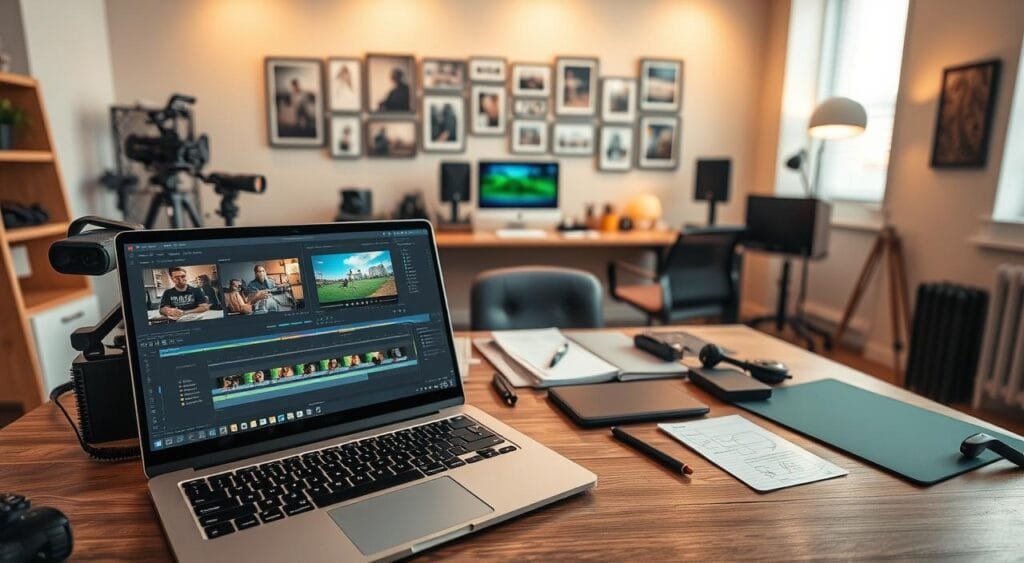
Your technical setup serves as the foundation for every professional project you deliver. While creativity is your greatest asset, having the right digital and physical tools ensures that your work meets the high standards clients expect. Investing in the correct technology early on prevents bottlenecks and keeps your workflow efficient.
Industry-Standard Software
Professional editors rely on robust software to handle complex timelines and high-resolution footage. Adobe Premiere Pro remains a top choice for its seamless integration with other creative apps, while Final Cut Pro is highly regarded for its speed and intuitive interface on macOS.
For those working on mobile or needing quick, collaborative solutions, tools like InShot and Splice offer impressive capabilities. Notably, Splice provides excellent version control, allowing you to access previous iterations of a project if you need to revert changes. This feature is a lifesaver when experimenting with different cuts or pacing.
“The best tool is the one that allows you to translate your vision into reality without technical friction.”
Essential Equipment for New Editors
Beyond software, your hardware must be capable of processing large video files without crashing. A high-performance computer with a dedicated graphics card and sufficient RAM is non-negotiable for smooth playback. You should prioritize a machine that can handle 4K rendering if you plan to work with high-end clients.
Reliable storage is equally critical to protect your hard work and manage large project files. Consider the following hardware essentials for your home studio:
- Solid State Drives (SSDs): Use these for active projects to ensure fast read and write speeds.
- External Hard Drives: Essential for long-term backups and archiving completed client work.
- Color-Accurate Monitor: A display that shows true-to-life colors is vital for professional color grading.
- Ergonomic Peripherals: A comfortable mouse and keyboard will save you from fatigue during long editing sessions.
By balancing powerful software with reliable hardware, you create a professional environment that supports your growth. Consistency in your technical setup will ultimately lead to faster turnaround times and happier clients.
Marketing Yourself as a Freelance Editor
If you want to stand out in a crowded digital marketplace, you must treat your professional identity as a growing brand. Success in this field requires more than just technical talent; it demands a strategic approach to how you present your services to the world. By positioning yourself as an expert, you move beyond competing solely on price.
Crafting a Personal Brand
Your personal brand is the sum of your reputation, your portfolio, and your unique creative voice. Consistency is the secret ingredient that builds trust with potential collaborators. Whether you are learning how to become a freelance video or scaling an existing business, your messaging must remain clear and professional across all channels.
“Your brand is what other people say about you when you’re not in the room.”
Utilizing SEO for Your Website
A professional website acts as your digital storefront, but it is useless if clients cannot find it. You should optimize your site with relevant keywords to ensure you appear in search results when companies look for editors. If you are unsure where to start, consider using freelance SEO services to improve your site’s visibility.
Focus on creating content that answers the specific questions your clients are asking. By providing value through blog posts or case studies, you establish authority in your niche. This proactive strategy makes it much easier to find freelance video editing work without relying solely on third-party sites.
Engaging with Potential Clients on Social Media
Social media is not just for scrolling; it is a powerful tool for building relationships. Share behind-the-scenes clips of your editing process to show your workflow and attention to detail. This transparency helps potential clients visualize what it is like to work with you.
Do not limit your efforts to just one channel. While many people use freelance video editing platforms to secure their first few gigs, social media allows you to build long-term connections. Engage with industry leaders, comment on relevant posts, and share your own insights to stay top-of-mind for future projects.
Managing Your Freelance Business
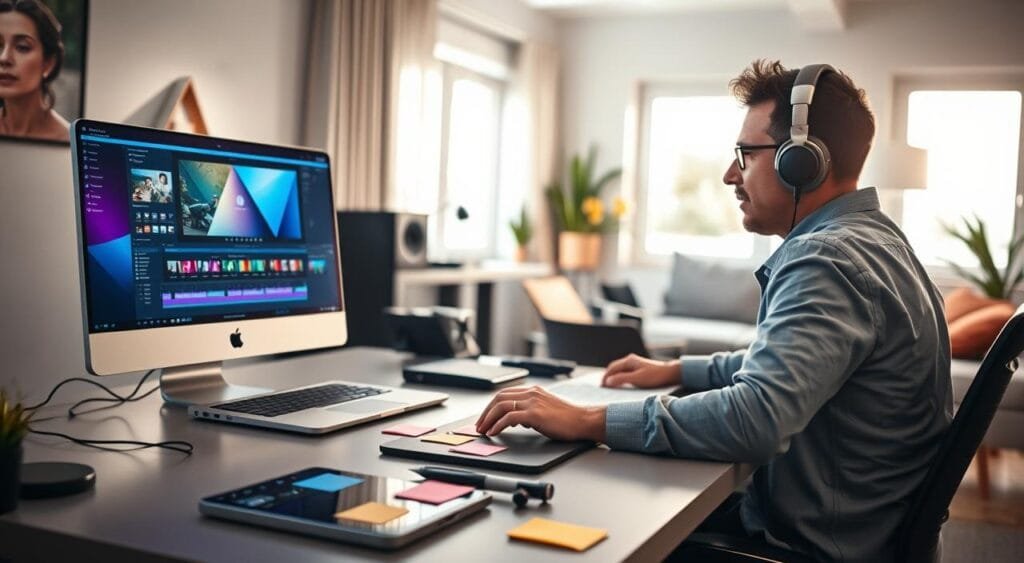
Running a successful freelance business requires more than just creative talent. While your editing skills define the quality of your output, your administrative habits determine the sustainability of your career. Treating your work like a professional enterprise ensures you stay profitable while handling multiple freelance video editing projects simultaneously.
Time Management Tips
Effective post-production relies on a structured workflow. You should utilize detailed checklists to track every stage of your edits, from initial file organization to final color grading. This prevents you from missing small details during complex freelance video editing projects.
Try to block out specific hours for deep work, keeping your creative energy focused on the timeline. By batching similar tasks, you reduce the mental fatigue that often comes with switching between different software tools.
Invoicing and Payments
Clear financial policies are the backbone of a healthy business. Always establish a contract that outlines your payment schedule, such as a deposit upfront and the final balance upon delivery. This simple step helps you avoid payment delays and protects your time.
Automate your invoicing process using professional software to ensure you get paid on time. Keeping your records organized makes tax season much easier and provides a clear view of your monthly earnings.
Handling Client Relationships
Professional communication is the key to maintaining long-term partnerships. When you receive feedback, stay objective and focus on the client’s goals rather than your personal preferences. Using tools like MarkUp.io can simplify client feedback and significantly reduce back-and-forth communication.
Be proactive about defining the scope of your work to prevent scope creep. If a client requests extra changes outside the original agreement, clearly communicate the additional costs involved. This transparency builds trust and ensures that your freelance video editing projects remain profitable.
| Management Area | Primary Goal | Recommended Tool |
|---|---|---|
| Time Tracking | Maximize billable hours | Toggl Track |
| Client Feedback | Streamline revisions | MarkUp.io |
| Invoicing | Ensure timely payment | FreshBooks |
| Project Planning | Organize tasks | Trello |
Future Trends in Video Editing
The digital landscape shifts rapidly as platforms like TikTok, YouTube, and Netflix command more of our daily attention. You stand at the edge of a new era where your creative output shapes how the world consumes information.
Artificial intelligence tools now act as partners rather than replacements. These systems handle repetitive tasks, which allows you to focus on high-level storytelling and emotional resonance. Embracing these advancements keeps your freelance video editing jobs relevant in a competitive market.
Adapting to Modern Content Demands
Short-form content dominates current viewing habits across Instagram Reels and YouTube Shorts. Clients now prioritize quick, punchy edits that capture interest within seconds. Mastering this format opens doors to diverse video production freelance opportunities that did not exist a few years ago.
Building a Sustainable Career
Success requires a blend of technical agility and a sharp eye for emerging trends. Stay curious about new software and shifting audience preferences to maintain your edge. Your ability to adapt ensures that your business remains profitable while you continue to produce compelling visual stories for a global audience.
# Freelance Video Editing Jobs: How You Can Get Started
The digital era has transformed the humble video editor from a behind-the-scenes technician into a powerhouse of the modern creator economy. Today, the demand for professional video editors is skyrocketing as every business—from local startups to global giants like Nike—scrambles to produce high-quality video content. Transitioning from a creative hobbyist to a professional freelancer isn’t just about knowing how to cut a clip; it’s about leveraging your technical skills to turn raw, unpolished footage into cinematic gold.
While the path requires genuine dedication and a thick skin for feedback, the ability to tell a visual story is a highly marketable asset. By navigating the early stages of your career with realistic expectations and a clear roadmap, you can transform your passion into a sustainable, high-income business.
## Understanding Freelance Video Editing
### What is Video Editing?
At its core, video editing is the mechanical and artistic process of post-production. It involves far more than just “cutting” clips. It encompasses color grading, intricate sound design, and the rhythmic pacing of a narrative. It is the stage where the story is truly born.
### The Role of a Freelance Video Editor
As a freelancer, you wear two hats: the creative artist and the business owner. You aren’t just responsible for the timeline; you are responsible for client communication, project management, and final delivery. You are the final gatekeeper of quality, ensuring that the message of the brand or creator resonates with their audience.
### Key Skills Required
To thrive, you must master five essential skills:
1. Organization: Managing terabytes of data across platforms like Dropbox or Google Drive.
2. Storytelling: Understanding the emotional arc of a scene.
3. Technical Proficiency: Fluency in industry-standard software like Adobe Premiere Pro.
4. Communication: Translating a client’s vague vision into a concrete visual reality.
5. Patience: Navigating the meticulous frame-by-frame adjustments required for professional polish.
## Benefits of Freelancing in Video Editing
### Flexibility and Autonomy
The primary allure of remote video editor jobs is the freedom to design your own life. Whether you prefer working from a home office in Austin or a co-working space in Bali, the digital nature of the work allows for total geographic independence. You set your hours, choosing when you are most creative.
### Diverse Project Opportunities
The variety of work available is staggering. One week you might be editing a high-stakes real estate tour for Sotheby’s, and the next, you’re cutting high-energy social media advertisements for a direct-to-consumer brand on Shopify. This diversity prevents burnout and keeps your creative muscles flexed.
### Potential for Higher Earnings
Your income potential is not capped by a corporate salary. By specializing in high-value niches—such as motion graphics or corporate documentaries—you can scale your rates significantly. However, it is vital to balance this optimism with the reality of an inconsistent workload and the absence of traditional employee benefits.
## Building Your Portfolio
### Selecting Your Best Work
Your portfolio is your most valuable currency. When pitching for freelance video editing projects, quality always trumps quantity. Select three to five pieces that demonstrate your range and technical precision. It is better to have three stunning videos than ten mediocre ones.
### Creating a Showreel
A compelling showreel is a 60-to-90-second “highlight film” of your best moments. It should be fast-paced, set to a licensed track from a site like Epidemic Sound, and highlight specific strengths such as color correction or seamless transitions. Ensure your contact information is clearly visible at the end.
### Showcasing on Online Platforms
Host your work where clients are looking. Platforms like Vimeo offer high-quality playback, while Behance allows you to showcase the process behind the final product. Regularly updating your portfolio ensures potential clients see your most current and impressive capabilities.
## Finding Freelance Video Editing Jobs
### Job Boards and Freelance Platforms
Major marketplaces like Upwork and Fiverr are excellent starting points for those looking to find freelance video editing work. While competitive, these platforms offer a structured environment to build your initial reputation and secure your first few reviews.
### Social Media Networking
Don’t underestimate the power of Instagram and LinkedIn. By sharing your work and engaging with content from creative directors, you can land freelance video editing gigs through organic connection. Many high-value clients prefer hiring someone whose personality and aesthetic they’ve already seen online.
### Leveraging Local Connections
Sometimes the best video production freelance opportunities are in your own backyard. Local small businesses often need video content for their websites but don’t know where to look. Reaching out to local ad agencies or real estate offices can result in consistent, long-term retainers.
## Setting Your Rates
### Factors Affecting Your Pricing
Your rates should reflect your experience, the complexity of the project, and the turnaround time. A simple “talking head” video for a YouTube channel requires less effort than a multi-camera event highlight reel involving heavy color grading.
### Hourly vs. Project-Based Rates
* Hourly Billing: Best for projects with an undefined scope, ensuring you are paid for every minute worked.
* Project-Based Pricing: Preferred for experienced editors who work quickly. This rewards efficiency; the faster you work, the higher your effective hourly rate.
### Tips for Negotiating Rates
Always research market rates on sites like Glassdoor or industry forums before entering a negotiation. Be prepared to explain your value—don’t just say what you charge, explain *why* your expertise will help the client achieve their goals.
## Tools and Software for Video Editing
### Industry-Standard Software
For professional work, Adobe Premiere Pro remains the industry gold standard due to its integration with the Creative Cloud. Final Cut Pro is a powerful alternative for macOS users, while DaVinci Resolve has become the go-to for world-class color grading.
### Essential Equipment for New Editors
You don’t need a Hollywood budget, but you do need reliability.
* Hardware: A computer with at least 16GB of RAM and a dedicated GPU (like a MacBook Pro with an M2 or M3 chip).
* Storage: High-speed SSDs from brands like Samsung or SanDisk for active project files.
* Mobile Tools: For quick social media edits, apps like InShot or Splice are surprisingly capable for on-the-go adjustments.
## Marketing Yourself as a Freelance Editor
### Crafting a Personal Brand
Treat your freelance career as a business. This means having a consistent visual identity across your website and social profiles. Use a professional headshot and a clear mission statement that tells clients exactly how you solve their problems.
### Utilizing SEO for Your Website
Optimize your personal portfolio for search engines. Use keywords like “freelance video editing jobs” and your location in your metadata. This helps potential clients find you organically through Google searches without you having to spend a dime on advertising.
### Engaging with Potential Clients on Social Media
Post behind-the-scenes content. Show your timeline in Premiere Pro, explain how you solved a specific audio issue, or share a “before and after” of a color grade. This builds authority and trust, making you the obvious choice for their next project.
## Managing Your Freelance Business
### Time Management Tips
Use project management tools like Trello or Asana to track your progress. Implementing a checklist for every phase of post-production ensures you never miss a step, even when juggling multiple clients.
### Invoicing and Payments
Use professional invoicing software like FreshBooks or Wave to send clear, branded invoices. Establish a policy for deposits (e.g., 50% upfront) to protect your cash flow and ensure client commitment.
### Handling Client Relationships
Clear communication is the best defense against scope creep. Define the number of allowed revisions in your initial contract. When receiving feedback, remain professional and objective; remember, you are a partner in their success.
## Future Trends in Video Editing
### The Impact of AI in Video Editing
Artificial Intelligence tools, such as Descript for text-based editing or Runway for generative effects, are changing the game. Instead of fearing replacement, successful editors use these tools to automate tedious tasks, allowing them to focus more on the creative narrative.
### Rising Demand for Short-Form Content
The explosion of TikTok, Instagram Reels, and YouTube Shorts has created a massive niche for editors who understand vertical video and high-retention editing styles. This is currently one of the fastest-growing sectors for freelance video editing projects.
### Evolving Client Expectations
Clients now expect more than just a video; they expect a return on investment. Editors who understand platform algorithms and viewer psychology will be the most sought-after professionals in the coming years.
## FAQ
### Q: Where can I find freelance video editing work?
A: You can find freelance video editing work on specialized job boards, through social media networking on platforms like LinkedIn, and by reaching out to local production houses or digital marketing agencies.
### Q: What are the best sites for freelance video editors?
A: Some of the best sites for freelance video editors include Upwork, Fiverr, Behance, and specialized platforms like ProductionHUB or the Frame.io job board.
### Q: How do I land my first freelance video editing gigs?
A: Start by building a strong showreel, then apply for smaller freelance video editing gigs on marketplaces or offer to do a discounted project for a local non-profit to build your initial portfolio.
### Q: What is the best freelance video editing job board?
A: While generic sites work, the most focused freelance video editing job board options are often found on niche creative sites like Creative Cow or the “Gigs” section of Mandy.com.
### Q: Are there many remote video editor jobs available?
A: Yes, the majority of modern editing work is digital, making remote video editor jobs highly accessible for those with a high-speed internet connection and a powerful workstation.
### Q: How do I manage multiple freelance video editing projects at once?
A: Organization is key. Use tools like Trello or Asana to track the status of different freelance video editing projects and maintain a strict schedule for your editing sessions and client meetings.
### Q: Where can I see the latest freelance video editing platforms?
A: New freelance video editing platforms emerge frequently; keeping an eye on industry blogs like PremiumBeat or the Adobe blog can help you stay updated on where new opportunities are popping up.
### Q: What are the most common video production freelance opportunities?
A: Common video production freelance opportunities include editing corporate training videos, YouTube content for influencers, real estate walkthroughs, and social media ad campaigns for e-commerce brands.
### Q: Is it hard to find freelance video editing jobs as a beginner?
A: It can be competitive, but by specializing in a niche—like short-form vertical video—and actively searching for freelance video editing jobs on multiple platforms, you can build momentum quickly.