
Did you know that over 75% of today’s most successful digital entrepreneurs trace their primary income back to personal content platforms? This statistic highlights the massive potential for those ready to start a blog and make money in the current digital landscape.
Building your own space online is not about finding some secret shortcut to wealth. Instead, it represents a serious commitment to creating lasting digital assets. By following structured steps, you can transform creative passion into professional independence.
Many people dream of working from home while earning full-time revenue. When you decide to make money blogging, you choose a path that rewards consistency, patience, and strategic planning. It is time to move beyond theory and build your future today.
Key Takeaways
- Blogging serves as a legitimate foundation for long-term financial independence.
- Success requires treating your site as a professional business rather than a hobby.
- Consistency and strategic planning are essential for sustainable growth.
- Avoid “get rich quick” traps by focusing on high-quality content creation.
- Digital assets provide flexibility for those working from home.
Why Start a Blog in 2026?
Starting a blog in 2026 offers a unique opportunity to build a digital asset that works for you around the clock. While the internet has evolved, the demand for high-quality, human-centric content has never been higher. Choosing to blog for income is a strategic move for those who want to combine creative expression with long-term financial growth.
Current Blogging Trends
The landscape of content creation is shifting toward deeper, more specialized expertise. Today, successful creators are moving away from generic topics to focus on hyper-niche communities that value authenticity. Artificial intelligence is also playing a role, helping bloggers streamline their research and editing processes to focus on high-level strategy.
Another major trend is the rise of the “multimedia blog.” Readers now expect a mix of written articles, embedded video content, and interactive elements. This shift makes it easier than ever to earn from blogging by providing value in multiple formats that cater to different learning styles.
Advantages of Blogging
One of the most compelling reasons to start is the ability to generate passive income. Unlike a traditional job where you trade hours for dollars, a blog allows you to profit long after you hit the publish button. This model provides a level of freedom that few other business ventures can match.
“The beauty of blogging is that it allows you to build a platform that serves as a 24/7 salesperson for your ideas, products, or services.”
Beyond the financial upside, blogging offers several distinct benefits:
- Low barrier to entry: You can launch a professional site with minimal upfront investment.
- Creative autonomy: You have full control over your brand, voice, and monetization strategy.
- Authority building: Consistent publishing establishes you as a trusted expert in your field.
Potential Earnings
When you commit to blogging for profit, it is important to maintain realistic expectations. While some creators reach a full-time income within a year, others take longer to build the necessary traffic and trust. Success is rarely an overnight phenomenon, but it is a scalable business model.
Your income potential is largely determined by your niche and your ability to diversify revenue streams. By combining affiliate marketing, digital products, and sponsored partnerships, you can create a robust income ecosystem. Remember that your blog is a business, and treating it with that level of professionalism is the fastest way to see results.
Choosing Your Niche
Finding the perfect intersection between your passion and a hungry audience is the secret to long-term blogging success. Selecting the right focus is the foundation of your future, as it dictates your ability to attract a dedicated community. This process is essential for anyone aiming to build a profitable blogging career that lasts for years.
Popular Blogging Niches
Some topics consistently perform well because they solve urgent problems or fulfill deep interests. Finance, health, technology, and personal development remain top contenders for creators today. These areas often provide the best opportunities for profitable blogging because they have clear monetization paths.
However, you should not choose a topic just because it is popular. Your passion for a topic is the primary requirement for success. If you do not enjoy the subject, you will likely struggle to maintain the consistency needed to grow your site.
Assessing Audience Demand
Once you have a few ideas, you must verify if people are actually searching for them. Use tools like Google Trends or keyword research software to see what your potential readers want to know. High search volume indicates that your content can reach a wide audience.
Look for gaps in the current market where you can provide better information. If you find a topic with high demand but low-quality content, you have found a golden opportunity. Balancing data with your interests is the smartest way to ensure your blog remains sustainable.
Finding Your Unique Voice
The internet is crowded, but it is never too late to start if you bring a fresh perspective. Your unique voice is what will make readers return to your site instead of your competitors. Do not be afraid to share your personal stories, failures, and specific insights.
Authenticity builds trust, and trust is the currency of the digital age. When you write with honesty, you create a loyal following that values your specific take on the world. This connection is what ultimately transforms a simple website into a profitable blogging business.
Selecting a Blogging Platform
Selecting the right infrastructure is the most critical technical decision you will make as a new blogger. Your platform acts as the foundation for your digital business, influencing everything from your site speed to your ability to generate revenue. Choosing wisely now prevents costly migrations later.

Comparison of Top Platforms
When you start your journey, you will encounter two main types of platforms: hosted and self-hosted. Hosted platforms like Wix or Squarespace offer an all-in-one experience where the provider manages the technical side. While these are easy to start, they often limit your control over monetization and advanced site features.
Self-hosted platforms, specifically WordPress.org, require you to purchase your own domain and hosting. This approach grants you full ownership of your content and data. For entrepreneurs focused on long-term growth, this level of autonomy is essential.
| Feature | WordPress.org | Wix/Squarespace | Medium |
|---|---|---|---|
| Ownership | Full Control | Limited | Platform Owned |
| Monetization | Unlimited | Restricted | Very Limited |
| Customization | High | Moderate | Low |
| Technical Skill | Moderate | Low | Very Low |
WordPress vs. Other Options
Many beginners feel intimidated by the idea of self-hosting, but the benefits far outweigh the initial learning curve. WordPress.org powers a significant portion of the internet because it is designed for scalability. Unlike closed platforms, it allows you to install plugins that can turn a simple blog into a complex e-commerce store or a membership site.
Other options often lock you into their specific ecosystem. If you decide to move your site later, you may find it difficult to export your data or maintain your search engine rankings. True business owners prioritize portability and control over convenience.
Ease of Use and Flexibility
The flexibility of WordPress.org is unmatched in the industry. You can choose from thousands of themes to design your site exactly how you envision it. Furthermore, you are not restricted by the platform’s internal rules regarding how you display ads or sell products.
While hosted platforms offer a faster setup, they often charge premium fees for features that are free or low-cost on WordPress. By investing a little time in learning the basics, you gain a professional-grade tool that grows alongside your audience. This is the standard choice for anyone serious about building a sustainable online income.
Setting Up Your Blog
Launching your site is the most exciting phase of your journey toward online success. While the technical side might seem intimidating, it is actually a logical process that brings your vision to life. You are now ready to start a profitable blog by building a solid foundation.
Domain Name Selection
Your domain name acts as your digital address and your brand identity. It should be easy to remember, simple to spell, and relevant to your chosen niche. Try to keep it short and avoid using hyphens or numbers that might confuse your visitors.
Before you commit, check if your preferred name is available on social media platforms as well. Consistency across your website and social channels helps build brand recognition. Once you find the perfect name, register it immediately to secure your spot online.
Hosting Options Explained
Web hosting is the service that keeps your site accessible to the world 24/7. Many beginners choose providers like Bluehost because they offer an all-in-one package. This typically includes domain registration, secure hosting, and a one-click WordPress installation.
Choosing a reliable host is a critical step to start a profitable blog that grows with your traffic. You want a partner that offers excellent uptime and responsive customer support. The following table highlights key features to consider when evaluating your options.
| Feature | Basic Plan | Pro Plan |
|---|---|---|
| Domain Registration | Included | Included |
| WordPress Install | One-Click | Managed |
| SSL Certificate | Free | Free |
| Support Access | 24/7 Chat | Priority Phone |
Initial Setup Checklist
After securing your domain and hosting, you need to configure your site for success. Follow this checklist to ensure you have the essentials covered from day one:
- Install WordPress: Use your hosting dashboard to launch your site.
- Select a Theme: Choose a clean, mobile-responsive design.
- Install Essential Plugins: Add tools for SEO, security, and site speed.
- Create Key Pages: Set up your “About,” “Contact,” and “Privacy Policy” pages.
- Configure Permalinks: Ensure your URL structure is search-engine friendly.
By completing these tasks, you establish a professional digital presence. You are now prepared to focus on what matters most: creating high-quality content that resonates with your audience and helps you start a profitable blog.
Creating Compelling Content
Content serves as the heartbeat of your online presence, driving both traffic and reader loyalty. Before you launch your site, you must establish a solid foundation with static pages. Your About and Contact pages are essential, as they provide the credibility and accessibility needed to build trust with your audience from day one.
Once these pillars are in place, you can shift your focus to dynamic blog posts. These entries are the engine that powers your growth and establishes your authority within your chosen niche.
Content Types that Engage Readers
Not all content is created equal when it comes to capturing attention. To keep your readers coming back, you should experiment with various formats that provide genuine value.
- How-to Guides: These solve specific problems for your readers, making you a go-to resource.
- Listicles: People love scannable, bite-sized information that is easy to digest.
- Personal Stories: Sharing your journey creates an emotional connection that builds a loyal community.
- Case Studies: Providing real-world examples proves your expertise and builds undeniable authority.
Best Practices for Blog Writing
Writing for the web requires a different approach than traditional academic or creative writing. You should aim for a conversational style that feels like a direct dialogue with your reader.
“Content is king, but context is queen. You must write for the human on the other side of the screen, not just for the algorithm.”
Keep your sentences short and your paragraphs punchy to ensure your content remains scannable. Use active voice to keep your writing energetic and direct. Most importantly, always prioritize the needs of your audience over your own desire to sound clever.
Importance of SEO in Blogging
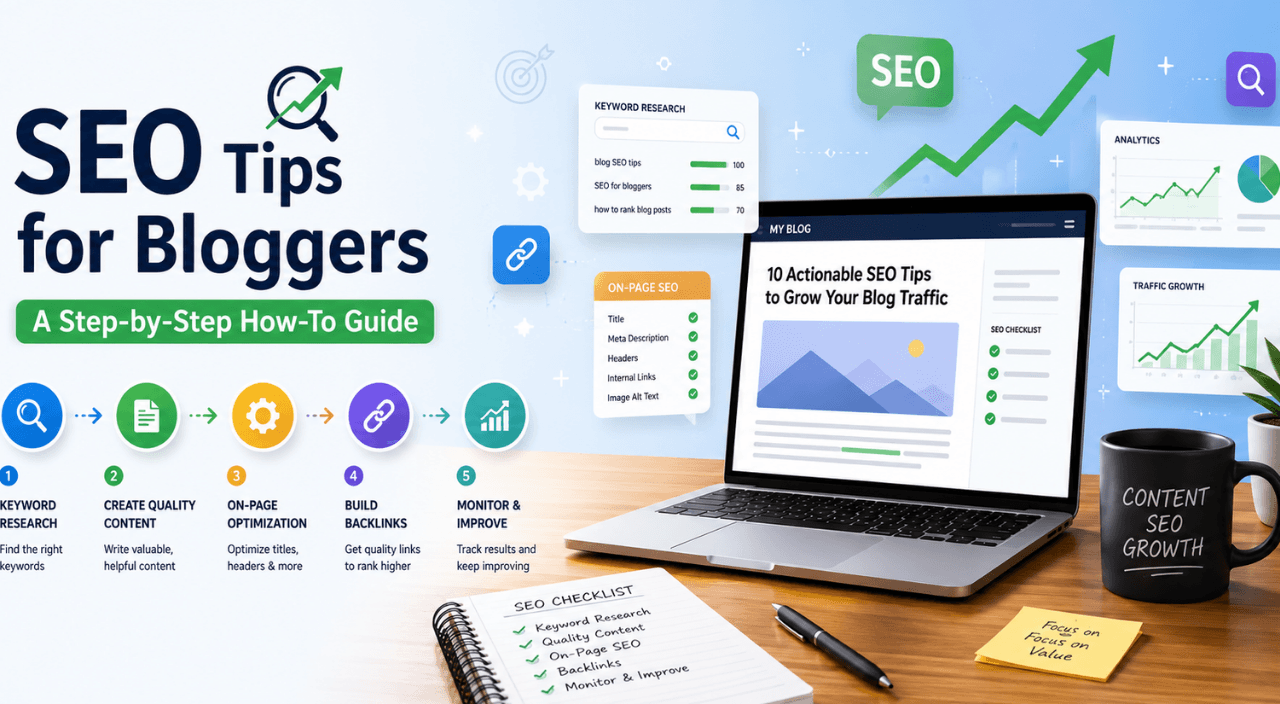
Even the most brilliant writing will fail to gain traction if nobody can find it. Search Engine Optimization (SEO) acts as the bridge between your high-quality content and the people searching for answers.
By using relevant terms and structuring your posts correctly, you help search engines understand exactly what your blog offers. This strategic visibility ensures that your hard work reaches the right eyes at the right time. Remember, SEO is not about tricking a system; it is about making your content discoverable for those who need it most.
Growing Your Audience
Transforming casual visitors into dedicated followers is a deliberate, strategic process. While high-quality content serves as your foundation, you must actively invite people to discover your work. Consistency and genuine interaction are the primary drivers of long-term growth.
Blogging is inherently interactive, providing you with a unique space to connect with readers through comments and discussions. When you treat your blog as a community hub rather than a static billboard, you foster loyalty. If you are just starting your journey, you can find helpful guidance on your first 1000 blogging in 2025 to set a strong trajectory.
Effective Blogging Promotion Strategies
Promotion is not about spamming links across the internet; it is about placing your content where your target audience already spends their time. Start by engaging in niche-specific forums or community groups where you can offer genuine value before sharing your own links. This builds authority and trust before you ever ask for a click.
Collaborating with other creators in your space can also expand your reach significantly. Guest posting or participating in interviews allows you to tap into established audiences that already value your niche. Always focus on providing a solution to a problem, as this makes your content inherently shareable.
Utilizing Social Media
Social media acts as a powerful megaphone for your blog, but you do not need to be on every platform. Choose one or two channels where your audience is most active and commit to a consistent presence there. Quality of engagement always outweighs the quantity of posts.
Use these platforms to share snippets, behind-the-scenes insights, or questions that spark conversation. By driving traffic back to your website through thoughtful social interactions, you turn passive scrollers into active readers. Remember to respond to comments promptly to keep the momentum going.
Building an Email List
Social media algorithms change frequently, but your email list remains your most valuable asset. It provides a direct line of communication to your most loyal readers without any gatekeepers. Start collecting emails from day one by offering a small incentive, such as a checklist or a free guide.
Once you have subscribers, treat them with respect by sending content that adds real value to their lives. A well-nurtured email list creates a reliable feedback loop, allowing you to understand exactly what your audience needs next. This direct connection is the secret to sustaining a blog for years to come.
Monetization Strategies for Your Blog
You can turn your creative efforts into a reliable revenue stream by diversifying your income sources. When you start a blog and make money, you create a foundation for long-term financial independence. The most successful creators avoid relying on a single channel, opting instead for a mix of strategies that provide stability.
Affiliate Marketing Explained
Affiliate marketing is often the first step for those blogging for profit. You promote products or services through unique tracking links and earn a commission for every sale made through your referral. It is a low-risk way to generate revenue because you do not need to manage inventory or customer support.
To succeed, focus on recommending products that genuinely solve your readers’ problems. Transparency is vital; always disclose your affiliate relationships to maintain trust. When your audience sees you as a helpful guide, they are more likely to value your recommendations.
Sponsored Posts and Partnerships
As your influence grows, brands may reach out to collaborate. Sponsored posts allow you to earn from blogging by creating content that highlights a company’s product or service. These partnerships can be highly lucrative if you align with brands that resonate with your niche.
“The most effective way to monetize is to provide value first. When your content helps the reader, the revenue will naturally follow as a byproduct of that trust.”
Always ensure that any partnership feels authentic to your brand voice. If a product does not fit your audience, it is better to decline the offer. Protecting your reputation is essential for long-term success in profitable blogging.
Selling Products or Services
Creating your own offerings is the ultimate way to blog for income. Whether you sell digital products like e-books and courses or offer consulting services, you retain full control over your pricing and profit margins. This model allows you to scale your business based on your unique expertise.
| Strategy | Effort Level | Income Potential | Best For |
|---|---|---|---|
| Affiliate Marketing | Low | Moderate | Beginners |
| Sponsored Posts | Medium | High | Established Blogs |
| Digital Products | High | Very High | Experts |
Ultimately, the best way to make money blogging is to experiment with these methods to see what works for your specific audience. By combining these streams, you build a resilient business model. Remember that blogging for money is a marathon, not a sprint, so stay consistent and keep providing value.
Analyzing Your Blog’s Performance
You cannot improve what you do not measure, which is why tracking performance is vital for every blogger. Relying on intuition alone often leads to missed opportunities and stagnant growth. By embracing a data-centric mindset, you transform your creative efforts into a sustainable business model.
Tools for Tracking Growth
The digital landscape offers powerful tools to help you monitor your progress. One of the most accessible options is Google Site Kit, which allows you to track analytics directly in your WordPress dashboard. This integration saves time by keeping your most important data just a click away.
Beyond basic dashboards, you should utilize Google Analytics 4 to gain deeper insights into user behavior. These tools provide a clear picture of where your visitors come from and what they read most. Using these resources effectively is the first step when you decide to monetize blog content.
Understanding Analytics
Numbers can feel overwhelming, but focusing on a few key metrics will simplify the process. You should pay close attention to your traffic sources, average session duration, and bounce rates. These indicators reveal whether your content truly resonates with your target audience.
Data is the bridge between your creative vision and your audience’s needs. When you listen to what the numbers say, you stop guessing and start growing.
High bounce rates might suggest that your headlines are misleading or your page load speed is too slow. Conversely, long session durations indicate that your readers find your posts valuable and engaging. Tracking these trends helps you refine your approach over time.
Making Data-Driven Decisions
Once you have gathered enough data, you can start making informed changes to your strategy. If a specific topic consistently drives high traffic, consider creating a series around it to further monetize blog opportunities. Data allows you to double down on what works while cutting out what does not.
The following table outlines the essential metrics you should monitor to ensure your blog remains on a path of growth:
| Metric | What It Measures | Actionable Insight |
|---|---|---|
| Page Views | Total content consumption | Identify popular topics |
| Bounce Rate | Visitor engagement level | Improve content relevance |
| Conversion Rate | Monetization effectiveness | Optimize affiliate links |
| Traffic Source | Audience origin | Focus marketing efforts |
By consistently reviewing these metrics, you move beyond guesswork. You gain the confidence to pivot your strategy, improve your user experience, and ultimately increase your revenue. Remember that consistency in analysis is just as important as consistency in writing.
Maintaining Your Blog
If you want to start a profitable blog, you must understand that longevity is built through steady, reliable effort. Many creators focus heavily on the initial launch, but the real magic happens during the long-term maintenance phase of your journey. Your website is a living asset that requires consistent care to remain relevant in an ever-changing digital landscape.

Consistency is Key
You do not need to publish new content every single day to be successful. In fact, quality always outweighs quantity when you aim to build a loyal readership. The secret is to establish a predictable schedule that your audience can rely on.
Whether you choose to post once a week or twice a month, sticking to that rhythm helps you manage your workload without burning out. If you are still in the early stages, you can learn more about how to start a profitable blog by focusing on sustainable habits that fit your lifestyle.
Updating Content Regularly
Your older posts are hidden gold mines that can continue to drive traffic for years. Periodically reviewing and updating your archives ensures that your information remains accurate and valuable. Consider these steps to keep your content fresh:
- Update statistics and data points with the latest available information.
- Refresh internal links to point toward your newer, more relevant articles.
- Improve readability by breaking up long paragraphs or adding updated images.
- Add new sections to address recent trends or common reader questions.
Engaging with Your Community
A blog is more than just a collection of articles; it is a platform for building relationships. You should balance your time between creating new content and interacting with the people who read it. Responding to comments and emails shows your audience that you value their input.
Active engagement fosters trust and encourages readers to return to your site. By listening to your community, you gain valuable insights that can help you refine your strategy and grow your brand over time. Remember, a healthy blog is one where the creator and the audience grow together.
Legal and Ethical Considerations
When you start blogging for money, you enter a professional arena where transparency and legal compliance are non-negotiable. Operating a successful site requires more than just high-quality content; it demands a firm commitment to ethical standards that protect both your readers and your business interests.
Copyright Issues in Blogging
One of the most common pitfalls for new creators is the unauthorized use of media. You must ensure that every image, video, or piece of music on your site is either licensed for your use or falls under fair use guidelines.
Never assume that content found on a search engine is free to use. Always verify the source and obtain proper permissions to avoid costly legal disputes that could jeopardize your hard work.
Disclosures for Sponsored Content
Transparency is the bedrock of audience trust. When you engage in blogging for money through affiliate links or paid partnerships, the Federal Trade Commission (FTC) mandates that you provide clear, conspicuous disclosures.
Your readers deserve to know when you have a financial incentive to recommend a product. By following ethical blogging relations, you not only comply with federal regulations but also strengthen the bond with your community.
“Trust is the currency of the digital age; once you lose it, it is nearly impossible to earn back.”
Protecting Your Brand
Your reputation is your most valuable asset. Protecting your brand involves more than just legal compliance; it requires consistent, honest communication with your audience.
Be proactive about your privacy policies and terms of service. By maintaining high ethical standards, you ensure that your efforts in blogging for money remain sustainable and respected for years to come.
Future-Proofing Your Blog
The digital landscape shifts rapidly as new technologies emerge and user habits change. You must remain agile to ensure your platform stays relevant in a crowded market.
Adapting to Changing Trends
The internet continues to experience massive growth, which brings more potential readers to your site every day. You can start a blog and make money by keeping your finger on the pulse of industry shifts. Platforms like Google and Meta constantly update their algorithms, so you should prioritize flexibility in your content strategy.
Continuous Learning and Improvement
Success in the digital space requires a commitment to lifelong learning. You will find that the most successful creators constantly refine their skills to make money blogging effectively. Dedicate time each month to study new tools and audience feedback. Your willingness to evolve will turn your passion into a sustainable asset for years to come.
Take the first step today by applying these strategies to your own project. Your journey toward building a profitable online presence starts with consistent action and a clear vision.
FAQ
Q: Is it still possible to start a blog and make money in 2026?
Q: How much can a beginner realistically earn from blogging?
FAQ
Q: Is it still possible to start a blog and make money in 2026?
A: Absolutely. While the landscape has evolved, the demand for authoritative, human-led content is higher than ever. In 2026, the key is to focus on a specific niche and provide deep value that AI-generated summaries cannot replicate. Success requires treating your blog as a digital asset rather than a hobby.
Q: How much can a beginner realistically earn from blogging?
A: Your ability to earn from blogging depends on your niche and monetization strategy. While some beginners earn their first 0 to
FAQ
Q: Is it still possible to start a blog and make money in 2026?
A: Absolutely. While the landscape has evolved, the demand for authoritative, human-led content is higher than ever. In 2026, the key is to focus on a specific niche and provide deep value that AI-generated summaries cannot replicate. Success requires treating your blog as a digital asset rather than a hobby.
Q: How much can a beginner realistically earn from blogging?
A: Your ability to earn from blogging depends on your niche and monetization strategy. While some beginners earn their first $500 to $1,000 per month within the first year, those who treat it as a professional business can scale to a full-time income of $5,000+ per month as they build authority and traffic.
Q: Which platform is best for blogging for profit?
A: For serious entrepreneurs, WordPress.org remains the gold standard. Unlike “free” builders, a self-hosted WordPress site using a provider like Bluehost or SiteGround gives you total ownership of your content and the flexibility needed for blogging for profit, including full control over ads and affiliate links.
Q: How long does it take to monetize blog content effectively?
A: Most bloggers begin to see significant results between 6 and 12 months. It takes time for search engines like Google to trust your site and for you to build a loyal audience. To monetize blog traffic successfully, you must prioritize consistent, SEO-optimized publishing during this initial “growth phase.”
Q: Do I need to be a professional writer to start a profitable blog?
A: No, you don’t. In fact, a conversational, relatable tone often performs better than academic prose. What matters most for profitable blogging is your ability to solve a problem for your readers or provide unique insights. Tools like Grammarly can help you maintain professional standards while you focus on sharing your expertise.
Q: What is the most effective way to blog for income?
A: Diversification is the best approach to blog for income. Successful bloggers combine affiliate marketing (recommending products from brands like Amazon or ShareASale), display advertising via networks like Mediavine, and selling their own digital products, such as e-books or online courses.
Q: Is blogging for money still a viable full-time career?
A: Yes, blogging for money remains one of the most scalable online business models. Because a blog functions as a 24/7 storefront, it generates passive income even when you aren’t actively working. However, it requires a “business-first” mindset and a willingness to adapt to new SEO trends and platform changes.
Q: How do I choose a niche to start a profitable blog?
A: To start a profitable blog, you must find the intersection of your personal interest and market demand. Use tools like Ahrefs or Semrush to verify that people are searching for your topic. High-value niches in 2026 include sustainable living, personal finance, AI integration, and specialized health coaching.
Q: How can I make money blogging without a massive audience?
A: You can make money blogging even with a small audience by focusing on high-ticket affiliate items or specialized services. Converting 100 loyal readers who trust your advice is often more profitable than having 10,000 casual visitors who don’t engage with your recommendations.
,000 per month within the first year, those who treat it as a professional business can scale to a full-time income of ,000+ per month as they build authority and traffic.
Q: Which platform is best for blogging for profit?
A: For serious entrepreneurs, WordPress.org remains the gold standard. Unlike “free” builders, a self-hosted WordPress site using a provider like Bluehost or SiteGround gives you total ownership of your content and the flexibility needed for blogging for profit, including full control over ads and affiliate links.
Q: How long does it take to monetize blog content effectively?
A: Most bloggers begin to see significant results between 6 and 12 months. It takes time for search engines like Google to trust your site and for you to build a loyal audience. To monetize blog traffic successfully, you must prioritize consistent, SEO-optimized publishing during this initial “growth phase.”
Q: Do I need to be a professional writer to start a profitable blog?
A: No, you don’t. In fact, a conversational, relatable tone often performs better than academic prose. What matters most for profitable blogging is your ability to solve a problem for your readers or provide unique insights. Tools like Grammarly can help you maintain professional standards while you focus on sharing your expertise.
Q: What is the most effective way to blog for income?
A: Diversification is the best approach to blog for income. Successful bloggers combine affiliate marketing (recommending products from brands like Amazon or ShareASale), display advertising via networks like Mediavine, and selling their own digital products, such as e-books or online courses.
Q: Is blogging for money still a viable full-time career?
A: Yes, blogging for money remains one of the most scalable online business models. Because a blog functions as a 24/7 storefront, it generates passive income even when you aren’t actively working. However, it requires a “business-first” mindset and a willingness to adapt to new SEO trends and platform changes.
Q: How do I choose a niche to start a profitable blog?
A: To start a profitable blog, you must find the intersection of your personal interest and market demand. Use tools like Ahrefs or Semrush to verify that people are searching for your topic. High-value niches in 2026 include sustainable living, personal finance, AI integration, and specialized health coaching.
Q: How can I make money blogging without a massive audience?
A: You can make money blogging even with a small audience by focusing on high-ticket affiliate items or specialized services. Converting 100 loyal readers who trust your advice is often more profitable than having 10,000 casual visitors who don’t engage with your recommendations.