
Did you know that over 90% of new websites fail within their first year? This statistic often scares away beginners, but it reveals a simple truth: most people treat their site like a get-rich-quick scheme rather than a serious business. Building a profitable blog requires patience, grit, and a commitment to long-term growth.
You do not need to be a world-class expert to start your journey. Readers today crave authentic perspectives and personal stories over dry, corporate content. By focusing on providing genuine value to your audience, you create a foundation that lasts.
Success comes from consistency and a clear strategy. When you prioritize your readers’ needs, you naturally find ways to monetize blog traffic without compromising your integrity. This guide will walk you through the essential steps to turn your creative passion into a sustainable online venture.
Key Takeaways
- Blogging is a long-term commitment that rewards consistency over speed.
- Authenticity and personal experience are your greatest assets for building trust.
- Focus on solving real problems for your audience to drive engagement.
- You do not need expert status to start sharing valuable insights.
- Strategic planning allows you to generate income while maintaining your voice.
Understanding the Basics of Blogging
If you want to succeed online, you must first discard the outdated notion that blogging is just a personal hobby. In the current digital landscape, a blog serves as a dynamic platform for sharing expertise and building a loyal community.
It is no longer just an online diary. Instead, it functions as a professional hub where you can solve problems, educate your audience, and establish authority in your chosen field.
What is Blogging?
At its core, blogging is the act of publishing consistent, valuable content that addresses the needs of a specific group of people. When you approach this as a business, you focus on delivering solutions rather than just documenting your daily life.
This shift in perspective is essential for anyone interested in blogging for income. By treating your site as a media asset, you create a sustainable environment for growth and long-term engagement.
The Importance of Niche Selection
Niche selection acts as the bedrock of your entire strategy. Without a clear focus, you risk attracting a broad, disinterested audience that does not convert into revenue.
Choosing a specific topic allows you to target a defined group, making it easier to build trust and authority. Consider the following comparison to understand why focus matters:
| Feature | Hobby Blog | Professional Blog |
|---|---|---|
| Primary Goal | Personal expression | Blogging for income |
| Content Focus | Random topics | Targeted solutions |
| Audience | Friends and family | Specific niche community |
| Monetization | Rarely prioritized | Strategic and planned |
By narrowing your scope, you ensure that every piece of content serves a purpose. This strategic alignment is what separates successful entrepreneurs from those who struggle to gain traction.
Selecting a Profitable Niche
Choosing a topic that balances your interests with market demand is the secret to long-term growth. When you start a profitable blog, you are essentially building a digital business that requires a clear roadmap. If you feel stuck, you can explore resources like this guide on how to choose a profitable blog to refine your focus.
Researching Market Demand
Before you commit to a topic, you must verify that an audience is actively searching for your content. Use tools like Google Trends or keyword research software to see if people are asking questions related to your ideas. Data-driven decisions help ensure that your hard work reaches the right eyes.
Look for high search volume combined with a clear need for solutions. If you can identify a specific problem that people are trying to solve, you have found a viable path to earn money blogging. Providing answers to these common pain points creates immediate value for your readers.
Evaluating Competition
Many new creators fear competition, but it is often a sign of a healthy, thriving market. If other blogs exist in your space, it proves that people are willing to spend time and money on that subject. Instead of feeling discouraged, view competitors as a source of inspiration for what works.
Focus on how you can offer a unique perspective or better clarity than what is currently available. You do not need to reinvent the wheel; you simply need to provide a better experience for your specific audience. Authenticity often wins over generic, high-volume content.
Finding Your Passion
While market data is essential, your genuine interest in the topic is what will sustain you during the early stages. Building a successful site takes time, and your enthusiasm will be the fuel that keeps you consistent. When you truly care about your niche, your writing becomes more engaging and relatable.
Successful niches often include personal development, finance, health, and lifestyle because these areas offer endless opportunities for growth. Choose a subject that you would enjoy discussing even if you were not trying to earn money blogging. This alignment between your passion and your business model is the ultimate key to long-term success.
Setting Up Your Blog
Setting up your blog is the moment your vision finally transforms into a tangible asset. While the technical side of things might seem intimidating at first, it is the most critical step toward building a sustainable online business. By choosing the right foundation, you ensure that your site remains secure, scalable, and fully under your control.
If you are ready to take the leap, you can follow a proven guide to start a profitable blog that sets you up for long-term success. We believe in transparency and encourage you to learn more about our mission as you embark on this journey.
Choosing the Right Blogging Platform
Not all platforms are created equal when it comes to professional growth. While free hosted services might seem tempting, they often limit your ability to monetize or customize your site. For those serious about building a brand, a self-hosted solution is the industry standard.
WordPress.org is widely considered the best choice for serious creators. It offers unparalleled flexibility, allowing you to install plugins, change themes, and maintain full ownership of your content. Owning your platform means you are never at the mercy of a third-party company’s changing terms of service.

Domain Name and Hosting Services
Your domain name acts as your digital address and the first impression for your readers. Choose a name that is memorable, easy to spell, and relevant to your niche. Avoid using hyphens or numbers, as these can make your brand harder to find and remember.
Once you have your name, you need reliable hosting services to keep your site live. Think of hosting as the land where your digital house is built. A high-quality host ensures your site loads quickly and stays accessible to your audience 24/7, which is vital for both user experience and search engine rankings.
When evaluating providers, look for excellent customer support and strong security features. Investing in a reputable host from the start prevents technical headaches later on. A stable foundation allows you to focus on what truly matters: creating content that resonates with your readers.
Creating Quality Content
If you want to stand out in a crowded digital space, your content must provide real value. Readers are constantly bombarded with information, so your posts need to be both engaging and easy to digest. By using clear headings and plenty of white space, you ensure that busy visitors can scan your work without feeling overwhelmed.
Types of Content That Attract Readers
Not all posts are created equal when it comes to driving traffic. To keep your audience coming back, you should experiment with formats that solve specific problems or provide deep insights. Here are a few proven formats that offer successful blogging tips for growth:
- How-to guides: Step-by-step tutorials that teach a specific skill.
- Listicles: Curated lists that are highly shareable and easy to read.
- Case studies: Real-world examples that prove your expertise.
- Opinion pieces: Thought-provoking content that builds a connection with your community.
Developing Your Unique Voice
Your voice is the bridge between you and your reader. Avoid the temptation to sound like a textbook or a robot; instead, write as if you are having a one-on-one conversation with a friend. Authenticity is a key component of successful blogging tips because it builds trust over time.
When you share your personal experiences or unique perspective, you differentiate yourself from generic AI-generated content. Readers value honesty and transparency, so do not be afraid to show your personality. This human element is what turns a casual visitor into a loyal subscriber.
Content Planning and Consistency
Consistency is the secret weapon of every top-tier creator. You do not need to post every single day, but you must stick to a schedule that your audience can rely on. Using an editorial calendar helps you stay organized and prevents the stress of last-minute writing.
By planning your topics in advance, you ensure that your content remains balanced and relevant. Remember that quality always beats quantity in the long run. Following these successful blogging tips will help you build a sustainable rhythm that keeps your blog growing steadily.
Promoting Your Blog Effectively
Strategic promotion turns a quiet blog into a bustling hub of engaged readers. You must move beyond simply creating content and start actively placing it where your target audience spends their time. This proactive approach ensures your hard work reaches the people who need it most.
Social Media Strategies
Social media is not just for sharing links; it is a tool for building community. Instead of spreading yourself thin across every platform, choose one or two where your audience is most active.
Consider using Pinterest as a powerful search engine rather than a traditional social network. By creating high-quality, vertical pins that solve specific problems, you can drive consistent, long-term traffic to your site. Follow these tips to maximize your reach:
- Design eye-catching graphics that clearly state the value of your post.
- Use relevant keywords in your pin titles and descriptions to improve discoverability.
- Schedule your pins consistently to maintain visibility in your niche.
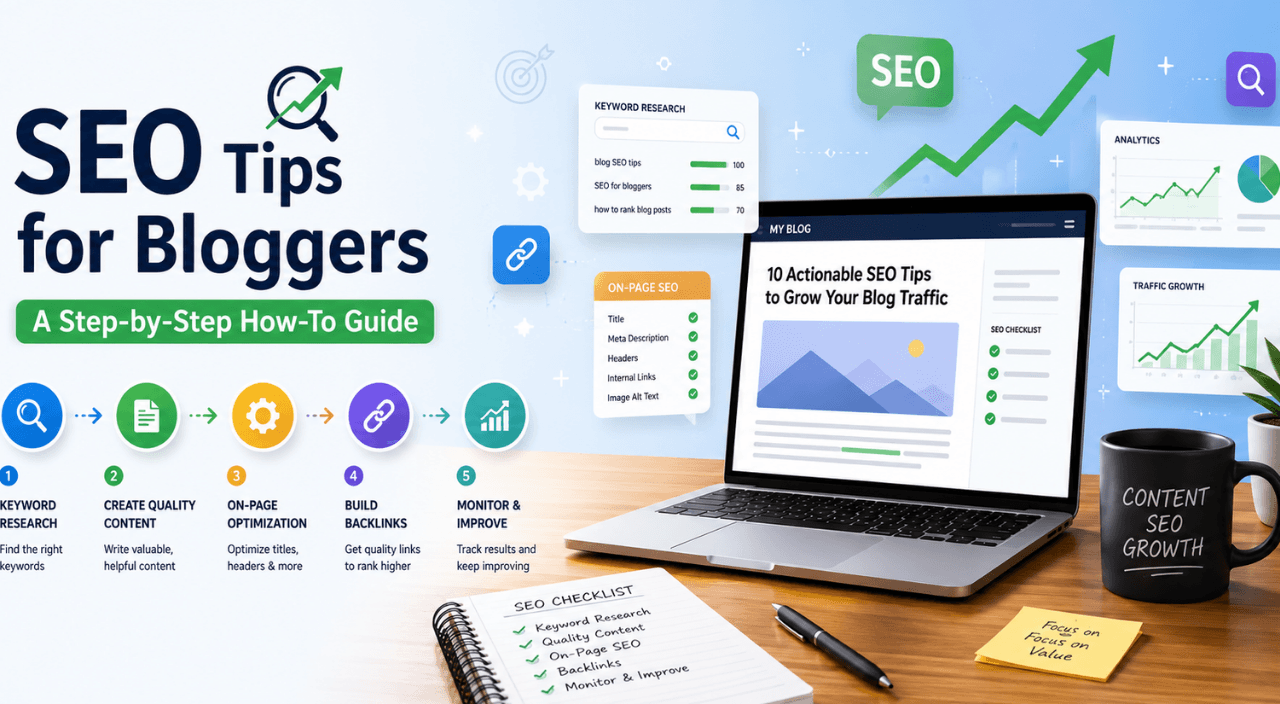
Utilizing SEO Best Practices
True search engine optimization is about serving the reader first. When you create content for a specific person, you naturally align with what search algorithms prioritize: relevance and value.
Focus on answering the questions your audience is actually asking. Use clear, descriptive headings and provide direct, helpful answers early in your posts. This human-centric approach builds trust and encourages readers to stay longer on your site.
Networking with Other Bloggers
You do not have to grow your blog in isolation. Networking with other creators in your niche is one of the fastest ways to build authority and expand your reach.
Building genuine relationships leads to opportunities like guest posting, collaborative projects, and social media shout-outs. Authentic connection is the key to success here. Reach out to peers by sharing their work, leaving thoughtful comments, or offering to help with a project. These small actions often lead to significant growth for both parties involved.
Monetization Strategies
Building a profitable blog is not just about traffic; it is about creating diverse blog revenue streams that work for you. Once you have established a consistent flow of readers, you can begin to explore various methods to turn your passion into a sustainable business.
The journey toward financial independence requires patience and a strategic approach. By focusing on value first, you ensure that your audience remains engaged while you introduce income-generating opportunities.

Affiliate Marketing Opportunities
Affiliate marketing is often the most accessible way to monetize blog content. You promote products or services you have used personally and earn a commission for every sale made through your unique referral link.
Success in this area relies on authenticity. Only recommend items that provide genuine value to your readers, as your reputation is your most important asset. When your audience trusts your recommendations, they are far more likely to make a purchase.
Sponsored Content and Partnerships
As your traffic grows, you may attract brands interested in reaching your specific audience. This is a common path for those blogging for income, as it allows you to collaborate with companies that align with your niche.
Before reaching out to brands, ensure your site is professional and your metrics are clear. Many premium ad networks and sponsorship platforms require a minimum number of monthly page views before accepting new partners. Always maintain your editorial integrity by choosing partnerships that feel natural to your brand.
Selling Digital Products
Transitioning into selling your own digital products is the ultimate step in diversifying your blog revenue streams. Unlike affiliate marketing, you keep the majority of the profit and maintain full control over the customer experience.
Consider creating e-books, online courses, or downloadable templates that solve a specific problem for your readers. These assets can be sold repeatedly without additional inventory costs. By building these products, you move closer to your goal to earn money blogging while providing high-value resources to your community.
Analyzing Your Blog’s Performance
Data is the compass that guides every successful blogger toward higher earnings and better engagement. Professional growth does not happen by accident; it occurs when you make informed decisions based on real-world numbers. By consistently reviewing your site statistics, you can pivot your strategy to focus on what truly resonates with your readers.
Tools for Tracking Metrics
To manage your site effectively, you need the right software to capture accurate data. Google Analytics remains the industry standard for monitoring traffic sources, session duration, and bounce rates. It provides a comprehensive view of how people find your content and where they spend the most time.
Additionally, Google Search Console is essential for tracking your search engine visibility. This tool highlights the specific keywords that drive organic traffic to your pages. Using these platforms together allows you to see the full picture of your site’s health and identify which blog revenue streams are performing best.
Understanding Audience Behavior
Numbers tell a story about your audience’s preferences and pain points. When you notice a high drop-off rate on a specific page, it often signals that the content is not meeting user expectations. You can use this insight to refine your writing style or update your calls to action to better align with reader needs.
Interpreting this data helps you optimize your blog revenue streams by highlighting high-converting posts. If a particular article consistently leads to affiliate clicks or product sales, you should create more content around that topic. Regular analysis ensures that your efforts remain focused on the strategies that generate the most value for your business.
| Metric | Purpose | Actionable Insight |
|---|---|---|
| Bounce Rate | Measures engagement | Improve content quality |
| Click-Through Rate | Tracks link interest | Optimize call-to-action |
| Conversion Rate | Measures sales success | Refine revenue strategy |
| Session Duration | Tracks time on site | Enhance user experience |
Overcoming Common Blogging Challenges
Every entrepreneur encounters roadblocks, and blogging is certainly no exception to this rule. While the path to a profitable site is rewarding, you will inevitably face moments where progress feels stalled. Understanding how to navigate these hurdles is essential for long-term success, and you can learn more about the biggest blogging challenges and how to overcome them to stay ahead of the curve.
Dealing with Writer’s Block
Writer’s block is a common frustration that can strike even the most experienced creators. When you find yourself staring at a blank screen, remember that your unique voice is your greatest asset. Instead of forcing words, try using AI as a brainstorming partner to spark new ideas.
Never let technology replace your authentic perspective. Use AI tools to generate outlines, suggest headlines, or break down complex topics into manageable sections. By treating these tools as assistants rather than replacements, you maintain your creative integrity while keeping your content pipeline full.
Managing Time Effectively
Balancing your creative work with other professional or personal responsibilities requires a disciplined approach. Many bloggers struggle because they try to do everything at once without a clear structure. To maintain consistency, you must prioritize tasks that move the needle for your business.
Consider these practical strategies to regain control of your schedule:
- Batch your content creation: Dedicate specific days to writing so you can enter a deep flow state without constant interruptions.
- Set realistic deadlines: Break large projects into smaller, actionable steps to avoid feeling overwhelmed.
- Audit your daily routine: Identify time-wasting activities and replace them with high-impact tasks like keyword research or audience engagement.
By staying persistent through these common obstacles, you build the resilience necessary to succeed in the long term. Remember that every challenge you overcome strengthens your ability to grow a sustainable online business.
Staying Updated with Blogging Trends
The digital landscape shifts at a rapid pace. Your ability to pivot determines your long-term viability in the competitive online space.
Successful blogging tips often center on your willingness to evolve alongside new technologies. You must remain curious to maintain your edge.
Learning from Industry Leaders
Monitor platforms like ProBlogger or Copyblogger to track shifts in search engine algorithms and reader preferences. These resources provide deep insights into what works today.
Engaging with established creators helps you anticipate changes before they impact your traffic. You gain a clearer perspective on how to refine your strategy for better results.
Adapting for Future Growth
Embrace a mindset of continuous improvement to keep your content fresh and relevant. Test new formats like video or interactive polls to see how your audience responds.
Your commitment to learning ensures your business remains agile. Apply these successful blogging tips to build a sustainable brand that provides value for years to come.
Start your journey today by setting aside time each week for professional development. Your future success depends on the actions you take right now.