
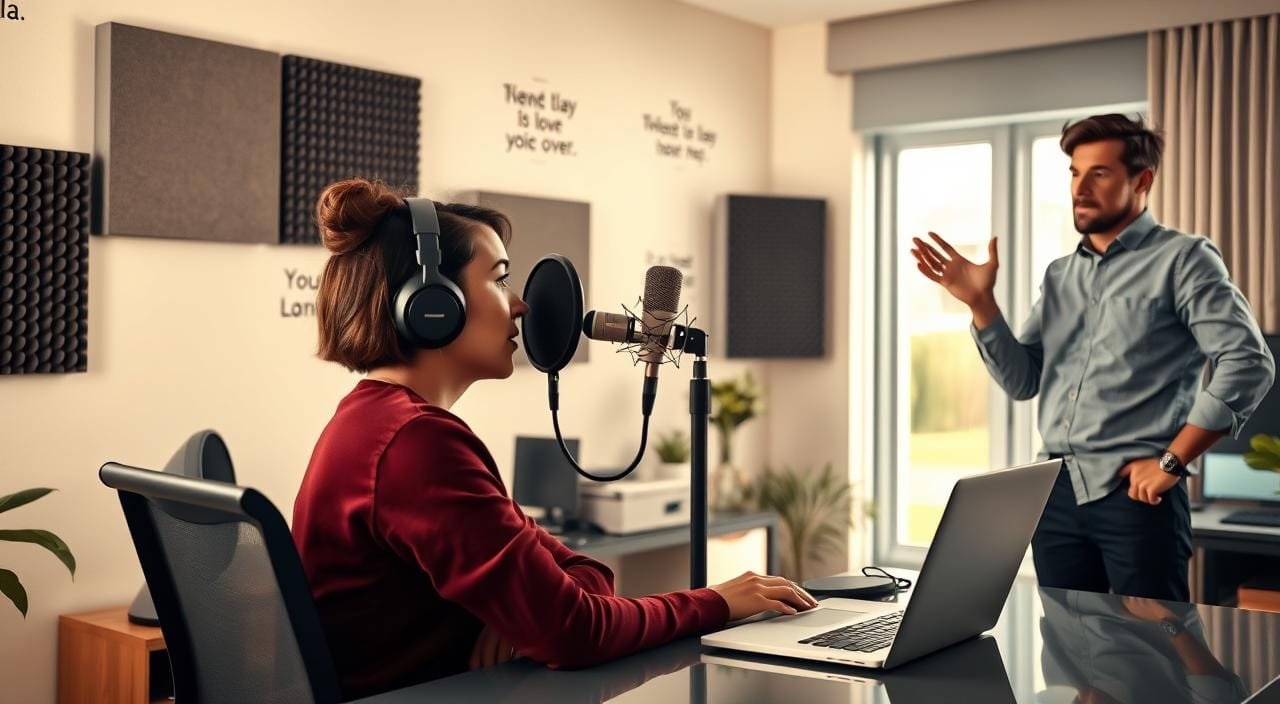
Have you ever wondered if your unique vocal tone could actually pay the bills in today’s digital economy? The rapid expansion of online media has transformed how we consume content, creating a massive surge in demand for professional narration and character acting.
This shift has opened up a world of freelance voice over opportunities for creative entrepreneurs. While the industry is undeniably competitive, it remains highly accessible for those who are willing to put in the necessary work to refine their craft.
We are currently living in a golden age for audio production. From corporate training modules to animated shorts, businesses are constantly seeking authentic human connection to reach their audiences. Success in this field requires more than just a good microphone; it demands a strategic approach to building your personal brand.
This guide provides the foundational knowledge you need to navigate these professional paths effectively. By understanding the current market landscape, you can turn your creative passion into a sustainable and rewarding career.
Key Takeaways
- The digital media boom has significantly increased the demand for professional audio talent.
- Success in this industry relies on a blend of technical skill and strategic business planning.
- The market is highly competitive but remains open to dedicated newcomers.
- Authenticity is the most valuable asset you can offer to potential clients.
- Consistent effort and professional branding are essential for long-term growth.
Understanding the Voice Over Industry
Understanding the mechanics of the voice over industry is your first step toward a sustainable freelance career. While many people view this field as simple narration, it is actually a complex ecosystem that powers modern media. You can find freelance voice over work across countless digital platforms today.
What is Voice Over Work?
At its core, voice over work involves recording a human voice to accompany visual media or audio-only productions. It is not just about having a “good” voice; it is about communicating a message effectively to a specific audience. Whether you are narrating a documentary or voicing a cartoon character, your primary goal is to serve the script.
To succeed, you must treat your voice as a professional instrument. Many beginners start by exploring the essentials of the craft to build a solid foundation. This preparation allows you to pursue various voice over gigs with confidence and technical precision.
Types of Voice Over Jobs
The market for voice talent is incredibly diverse, ranging from short advertisements to long-form narration. Understanding these categories helps you identify which voice over gigs align best with your natural vocal range and acting style.
- Commercials: Short, punchy scripts designed to sell products or services.
- E-learning: Educational modules that require a clear, engaging, and patient tone.
- Audiobooks: Long-form storytelling that demands character consistency and stamina.
- Video Games: High-energy roles that often require intense emotional range and improvisation.
| Project Type | Primary Goal | Tone Required |
|---|---|---|
| Commercial | Persuasion | Upbeat/Authoritative |
| E-learning | Instruction | Clear/Neutral |
| Audiobook | Immersion | Narrative/Dynamic |
| Video Game | Entertainment | Character-driven |
Key Skills for Voice Over Artists
Technical ability is only half the battle in this competitive field. You must master script analysis to understand the subtext behind the words you are reading. This skill ensures that your delivery feels authentic rather than robotic.
Furthermore, vocal technique is vital for maintaining consistency during long recording sessions. You should also develop basic acting skills, as many voice over gigs require you to embody a specific persona. By combining these talents, you position yourself as a versatile professional capable of handling diverse client needs.
How to Start a Freelance Voice Over Career
Building a successful freelance career in voice over starts with three essential pillars: your portfolio, your demo, and your studio. If you are ready to get started in voice over, you must treat your setup like a business from day one. This strategic approach helps you secure consistent voice acting jobs by proving your reliability to potential clients.
Building a Voice Over Portfolio
Your portfolio acts as your digital resume, showcasing your range and versatility to casting directors. You do not need years of experience to start; you simply need high-quality samples that highlight your unique vocal strengths.
Consider including a variety of styles to appeal to different markets. A strong portfolio should feature:
- Commercial reads that sound natural and conversational.
- Character voices that demonstrate your range and emotional depth.
- Narration samples for e-learning or corporate training videos.
Creating a Professional Demo Reel
A demo reel is the most critical tool for landing voice acting jobs. It serves as a polished showcase of your best work, typically lasting between 60 and 90 seconds. Keep each individual sample short, ideally between 30 and 60 seconds, to maintain the listener’s attention.
Focus on quality over quantity when selecting your clips. Ensure that your audio is crisp, clear, and free of background noise. If your demo sounds amateur, clients will assume your production quality is equally low.
Setting Up a Home Studio
You do not need a million-dollar studio to produce professional audio, but you do need a controlled environment. The goal is to eliminate echoes and external sounds that can ruin a recording. Many professionals start by using a walk-in closet filled with clothes, which acts as a natural sound absorber.
Invest in a decent USB or XLR microphone and a pair of reliable headphones to monitor your performance. By maintaining a quiet, dedicated space, you ensure that your submissions meet the high standards required for competitive voice acting jobs. Consistency in your recording environment will ultimately lead to more professional results and happier clients.
Finding Voice Over Opportunities Online
You can transform your passion into a career by mastering the art of finding high-quality freelance voice over opportunities online. Success in this field requires a proactive mindset and a willingness to explore multiple digital channels simultaneously. By diversifying your search, you build a sustainable pipeline of work that keeps your studio busy.
Popular Freelance Platforms for Voice Over Work
Dedicated marketplaces serve as the primary hub for many beginners looking to land their first paid projects. Platforms like Voice123, ACX, and Voices.com provide a structured environment to connect with real clients. These sites are excellent for gaining experience while you refine your craft and build your reputation.
When using these platforms, consistency is your greatest asset. Ensure your profile is complete and your demos are polished before you start bidding. Many successful artists treat these sites as a starting point to establish credibility before moving toward private client acquisition.
Job Boards for Voice Over Jobs
Beyond dedicated marketplaces, you should monitor various job boards that feature voice acting jobs. While some boards are general, others are highly specialized for audio professionals. Regularly checking these listings helps you stay ahead of the competition for new roles.
Focus on boards that require a professional portfolio, as these often host higher-paying online voice over jobs. Be wary of platforms that promise instant success without requiring a demo, as legitimate clients always prioritize quality audio samples. Always verify the legitimacy of a posting before submitting your personal information or audition files.
Social Media Networking Strategies
Social media is a powerful tool for finding hidden voice over job listings that never reach public boards. LinkedIn is particularly effective for connecting with production companies, casting directors, and creative agencies. By sharing your work and engaging with industry leaders, you position yourself as a professional worth hiring.
Facebook groups dedicated to voice acting also offer a wealth of community support and lead sharing. Networking is not just about asking for work; it is about building genuine relationships with peers and potential clients. When you provide value to the community, you naturally attract opportunities that align with your unique vocal style.
Essential Tools for Voice Over Artists
Building a reliable technical foundation is essential for anyone pursuing remote voice over work. You do not need a massive budget to start, but you do need gear that delivers clean, clear audio. Clients expect professional-grade results, and your equipment is the first step in meeting those high standards.

Recommended Recording Equipment
Many beginners make the mistake of using a smartphone or a laptop microphone for their auditions. These devices often pick up unwanted background noise and lack the depth required for professional projects. Instead, we recommend starting with a dedicated USB microphone like the Blue Snowball.
This microphone offers a significant upgrade in sound quality without breaking the bank. It provides the consistency needed to compete in the global market. As you grow, you can explore more advanced setups, but this is the perfect starting point for your home studio.
Software for Editing Voice Over Audios
Once you have captured your audio, you need the right software to polish your performance. You can find a variety of essential apps for your voice over that streamline your workflow. For those just starting, Audacity is a powerful, free, and open-source tool that handles basic editing tasks with ease.
It allows you to remove breaths, adjust volume levels, and export files in industry-standard formats. Mastering your editing software is just as important as your vocal performance. It ensures your final delivery is crisp, professional, and ready for client use.
Resources for Voice Over Training
Technical gear is only half the battle; your voice is your primary instrument. Investing time in training helps you refine your delivery and technical proficiency. You should look for online workshops, coaching sessions, and community forums to sharpen your skills.
Continuous learning keeps you competitive in the ever-changing landscape of remote voice over work. Whether you are practicing character voices or commercial reads, consistent training builds the confidence required to land consistent gigs.
| Equipment Type | Entry-Level Choice | Professional Upgrade | Key Benefit |
|---|---|---|---|
| Microphone | Blue Snowball | Sennheiser MKH 416 | Audio Clarity |
| Editing Software | Audacity | Adobe Audition | Advanced Processing |
| Headphones | Standard Earbuds | Sony MDR-7506 | Accurate Monitoring |
| Environment | Closet Setup | Soundproof Booth | Noise Reduction |
Crafting the Perfect Voice Over Profile
Your profile serves as the digital storefront that connects you with high-quality freelance voice artist positions. It is often the first point of contact for potential clients, making it essential to present a polished and professional image. By optimizing your layout and content, you significantly increase your chances of standing out in a crowded marketplace.
Writing a Compelling Bio
Your bio should do more than just list your technical skills; it must highlight your unique personality and professional strengths. Clients want to know who they are hiring, so keep your tone authentic and approachable. Focus on the specific value you bring to a project, such as your ability to meet tight deadlines or your expertise in a particular niche.
Avoid generic statements that could apply to anyone. Instead, use concrete examples of your past work or specific training you have completed. A strong bio builds trust and encourages clients to reach out for freelance voice artist positions that match your specific vocal style.
Showcasing Samples Effectively
Potential clients need to hear your versatility and range within seconds of landing on your page. Organize your audio samples into clear, labeled categories like commercial, narration, or character work. This allows visitors to find exactly what they need without having to listen to irrelevant clips.
Ensure your audio quality is pristine, as your samples are the primary evidence of your professional capabilities. High-fidelity recordings demonstrate that you understand the technical requirements of the industry. Always place your strongest, most professional work at the very top of your list to capture attention immediately.
Managing Client Requests
Turning profile visitors into paying clients requires a proactive approach to communication. When a potential client reaches out, respond with professionalism and speed to show that you are reliable. Clear, concise replies help you secure more freelance voice artist positions by demonstrating your commitment to excellent service.
Establish a simple workflow for handling inquiries, such as having a standard template for quotes or project timelines. Being organized from the first message sets a positive tone for the entire working relationship. Remember that every interaction is an opportunity to build your reputation and gain long-term repeat business.
Marketing Yourself as a Voice Over Artist
If you want to secure more freelance voice artist positions, you must treat your voice like a professional brand. Marketing acts as the engine that drives your business forward, ensuring you remain visible in a crowded marketplace. By focusing on consistent outreach, you can build a sustainable career that grows over time.

Building a Personal Brand
Your brand is more than just a logo; it is the reputation you build with every client interaction. To stand out, define your unique vocal niche, whether that is corporate narration, character acting, or commercial work. Consistency across your website and social media profiles helps potential clients recognize your value immediately.
“A brand is what people say about you when you are not in the room.”
Utilizing Online Advertisements
Sometimes, organic growth needs a boost to reach the right audience. Paid advertisements on platforms like LinkedIn or Google can place your services directly in front of casting directors and producers. This targeted approach is highly effective for those looking to scale their business quickly and fill their calendar with high-quality projects.
If you are also interested in diversifying your income, you might explore freelance marketing jobs to sharpen your promotional skills. Learning how to market yourself effectively is a transferable skill that benefits every aspect of your freelance journey.
Networking in the Voice Over Community
Networking is often the most reliable way to gain long-term referrals. Engaging with other professionals in the industry allows you to share knowledge and support one another. When you participate in forums or local meetups, you increase your chances of hearing about exclusive freelance voice artist positions before they hit public job boards.
| Marketing Channel | Primary Benefit | Effort Level |
|---|---|---|
| Social Media | Brand Awareness | Medium |
| Paid Ads | Immediate Reach | High |
| Networking | Long-term Referrals | Low to Medium |
| Content Marketing | Authority Building | High |
Remember that marketing is a marathon, not a sprint. By staying consistent with your efforts, you will eventually see a steady stream of opportunities. Keep refining your approach, and do not be afraid to pivot when you see what works best for your specific voice and style.
Pricing Your Voice Over Services
Your financial success depends on how you value your time and expertise in the competitive voice over market. Setting the right rates allows you to build a sustainable business while ensuring you remain attractive to potential clients. When you approach your voice over gigs with a clear financial strategy, you gain the confidence needed to grow your career.
Factors Influencing Voice Over Rates
Several variables determine how much you should charge for a recording. The complexity of the script, the required turnaround time, and the intended usage rights are primary drivers of your fee. For instance, a commercial broadcast for a national brand commands a higher price than a simple internal training video.
Your level of experience also plays a significant role in your market positioning. As you browse through various voice over job listings, you will notice that established professionals often charge premium rates due to their proven track record. It is essential to balance your current skill level with the market demand to remain competitive.
Common Pricing Structures to Consider
Choosing the right pricing model helps you manage your income effectively. Many artists prefer a flat fee per project, while others opt for hourly rates or per-word pricing. Understanding these structures allows you to provide accurate quotes quickly.
| Pricing Model | Best For | Pros | Cons |
|---|---|---|---|
| Per Project | Short scripts | Predictable income | Risk of scope creep |
| Per Hour | Long-form audio | Fair for long sessions | Harder to estimate |
| Per Word | E-learning/Books | Easy to calculate | Low pay for short work |
How to Negotiate Rates with Clients
Negotiation is a vital skill for any freelancer. Always start by researching the standard rates for the specific type of work you are pursuing. When a client asks for a quote, be prepared to justify your price based on the value you provide rather than just your time.
If a client has a limited budget, consider offering a tiered service package. You might provide a basic version of the recording at a lower cost while charging extra for additional revisions or faster delivery. Maintaining a professional and firm stance ensures that you are paid what you are truly worth.
Client Communication and Relationship Management
Securing repeat voice over projects requires more than just a great voice; it demands professional reliability. Clients often hire talent based on how easy they are to work with, not just their vocal range. By mastering the art of communication, you transform yourself from a temporary contractor into a trusted partner.
Understanding Client Expectations
Every client brings a unique vision to their project. Before you record a single line, ensure you have a clear grasp of the script’s tone, pacing, and intended audience. Asking the right questions early prevents costly mistakes and shows that you are invested in their success.
Clarify technical requirements such as file formats, sample rates, and delivery deadlines immediately. When you align your output with their specific needs, you significantly increase the likelihood of being hired for future voice over projects. You can learn more about managing these expectations by exploring resources on freelance clients.
Best Practices for Professional Communication
Consistency is the hallmark of a true professional. Always respond to emails and messages promptly, even if it is just to acknowledge receipt of a file. Keeping your clients updated on your progress builds essential trust throughout the production process.
Use clear, concise language in all your correspondence. Avoid industry jargon that might confuse a client who is new to the process. If you want to refine your approach to client outreach, consider studying professional voice over marketing strategies to improve your overall business presence.
Handling Feedback and Revisions
Receiving feedback is a natural part of the creative process. Even the most experienced artists encounter requests for changes, so try not to take critiques personally. View every revision as an opportunity to refine your performance and better serve the client’s vision.
When a client asks for a change, respond with grace and a positive attitude. Clearly define your revision policy in your initial contract to avoid scope creep on your voice over projects. By staying organized and professional, you ensure that the feedback loop remains productive and stress-free for both parties.
Expanding Your Voice Over Skill Set
The most successful voice actors are those who treat their skills as a work in progress. To remain competitive in a crowded market, you must adopt a growth mindset that keeps your career dynamic and adaptable. By consistently refining your technique, you open doors to a wider variety of voice over projects that can significantly boost your income.
Exploring Different Voice Over Genres
Diversifying your portfolio is one of the smartest ways to ensure long-term stability. While you might start with commercial work, branching into character acting or technical narration can broaden your professional appeal. Each genre requires a unique vocal approach, from the high energy of animation to the precise, measured tone needed for corporate training modules.
If you find yourself looking for additional ways to monetize your linguistic talents, you might also consider exploring freelance translation services to complement your existing audio offerings. Mastering multiple genres allows you to bid on a broader range of voice over projects, ensuring you are never limited by a single niche.
Participating in Workshops and Trainings
Even seasoned professionals benefit from regular coaching and skill-building sessions. Workshops provide a safe environment to experiment with new vocal textures and performance styles that you might not attempt on a paid gig. These sessions are essential for sharpening your ability to take direction and deliver exactly what a client needs on the first take.
Investing in your education is a direct investment in your brand. Whether you attend local acting classes or join online masterclasses, the feedback you receive will help you identify blind spots in your delivery. This commitment to excellence makes you a more reliable partner for high-stakes voice over projects.
Collaborating with Other Creatives
Voice acting does not have to be a solitary pursuit. Collaborating with audio engineers, scriptwriters, and fellow voice artists can provide fresh perspectives on your work. These partnerships often lead to referrals and opportunities that you would not find on your own.
- Networking: Build relationships with producers who value quality.
- Peer Review: Exchange feedback with other artists to improve your demo reels.
- Cross-Promotion: Share your expertise to attract new clients looking for diverse talent.
By working alongside other professionals, you stay informed about industry trends and technical shifts. This collaborative spirit keeps your work fresh and ensures you remain a top choice for future voice over projects.
Navigating the Legal Aspects
Understanding the rules of the road is essential when you start pursuing online voice over jobs. While your creative talent drives your success, legal knowledge keeps your business secure and compliant. You must treat your freelance career like a professional enterprise to avoid costly mistakes.
Understanding Contracts and Agreements
A written contract is your best defense against misunderstandings. Never start a project without a clear agreement that defines the scope of work, payment terms, and deadlines. These documents protect you by ensuring you are compensated fairly for your time and effort.
If you need help drafting these documents, you can explore freelance legal services to ensure your interests are fully covered. A solid contract prevents “scope creep” and provides a roadmap for every project you undertake.
Copyright and Usage Rights in Voice Over
In the world of online voice over jobs, you are often selling a license to use your voice rather than the ownership of the recording itself. It is vital to specify exactly where and how long a client can use your audio. For example, a local radio spot should have different usage terms than a national television commercial.
Always clarify if the client is buying a “buyout” or a limited license. Protecting your intellectual property ensures that you can continue to earn from your work over the long term.
Tax Considerations for Freelancers
As an independent contractor, you are responsible for your own tax obligations. You must set aside a portion of your income from online voice over jobs to cover federal and state taxes. Keeping accurate records of your business expenses is also crucial for potential deductions.
| Legal Document | Primary Purpose | Key Benefit |
|---|---|---|
| Service Agreement | Defines project scope | Prevents scope creep |
| Usage License | Sets distribution limits | Protects future royalties |
| W-9 Form | Tax identification | Ensures payment compliance |
| Invoice Template | Payment request | Maintains cash flow |
Staying organized with your finances will save you significant stress during tax season. Consult with a professional accountant if you feel overwhelmed by the complexities of self-employment taxes.
Future Trends in the Voice Over Industry
The landscape for audio professionals is shifting rapidly as digital media consumption evolves. You are entering a field where technology and human creativity intersect to define the next generation of storytelling.
The Impact of Technology on Voice Over Work
Artificial intelligence tools now handle basic narration tasks with impressive speed. You can leverage these advancements to streamline your workflow while focusing your energy on projects that require genuine emotional depth. Understanding the future of the voiceover artist ensures you remain competitive in a market that values both efficiency and authentic performance.
Opportunities in Streaming and Multimedia
Global streaming platforms like Netflix and Disney+ drive a massive demand for localized content. This surge creates consistent remote voice over work for those skilled in dubbing and character acting. You should explore these international markets to diversify your income streams beyond traditional commercial spots.
Predictions for the Next Decade in Voice Over
The coming years will favor artists who embrace a hybrid approach to their craft. By combining high-quality home studio production with a deep understanding of emerging digital trends, you position yourself for long-term success. Stay curious, keep refining your unique vocal style, and adapt to the changing needs of global audiences to build a sustainable career in this vibrant industry.