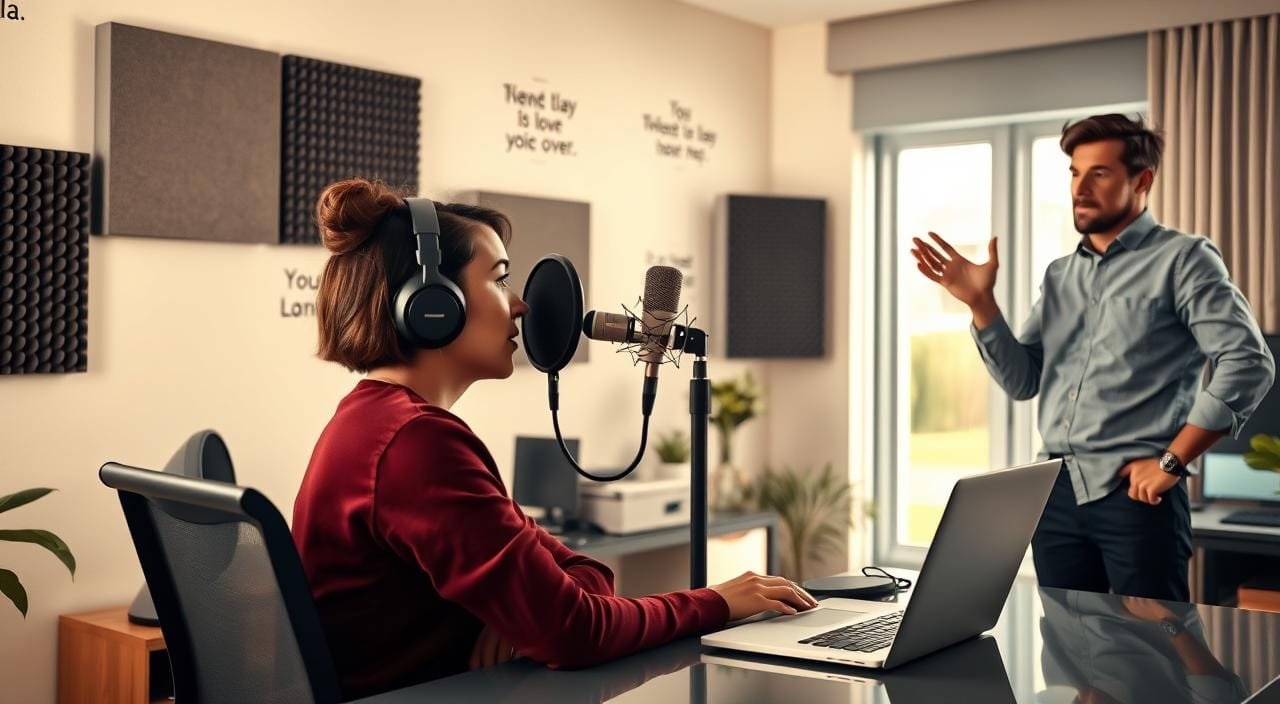

Have you ever wondered if your ability to listen and type could actually replace your traditional nine-to-five job? Many people assume that digital work is purely about creative writing or coding, but the demand for accurate text conversion is higher than ever. Exploring freelance transcribing opportunities is a smart way to build a sustainable career from the comfort of your home.
Platforms like Rev have simplified the entry process by offering distinct roles for transcriptionists, captioners, and subtitle translators. While the industry is competitive, success is entirely possible if you approach it with a business-first mindset. If you are also interested in diversifying your income streams, you might consider exploring freelance voice over work to complement your skill set.
Understanding the market requirements early allows you to position yourself for long-term growth. By focusing on data-driven preparation, you can turn these transcription opportunities for freelancers into a reliable source of income. Let’s dive into the practical steps you need to take to start your journey today.
Key Takeaways
- Rev provides three primary paths: transcription, captioning, and subtitle translation.
- Success in this field requires a blend of technical accuracy and professional discipline.
- Treating your work as a business venture helps you stand out in a crowded market.
- Diversifying your skills, such as adding voice-over work, can increase your earning potential.
- Consistent practice and research are essential for long-term career sustainability.
What is Freelance Transcribing?
Understanding the mechanics of transcription is the first step toward mastering this flexible profession. At its core, this work involves converting spoken audio or video content into accurate written documents. Many professionals find that exploring freelance transcribing opportunities allows them to build a career based on linguistic precision and deep focus.
Definition of Transcription
Transcription is the systematic process of listening to recorded speech and typing it out verbatim or in a summarized format. It requires a high level of concentration to ensure that every word is captured correctly. You must maintain strict standards of grammar and punctuation to ensure the final document is professional and easy to read.
Types of Transcription Work
The industry is broad, offering various paths depending on your interests and expertise. General transcription covers interviews, podcasts, and business meetings. In contrast, specialized fields like legal or medical transcription require specific terminology knowledge and often demand higher accuracy levels.
| Transcription Type | Primary Focus | Complexity Level |
|---|---|---|
| General | Podcasts, Interviews | Low to Moderate |
| Legal | Court Hearings, Depositions | High |
| Medical | Clinical Notes, Reports | Very High |
Skills Required for Transcribing
Success in this field relies on your ability to listen attentively and process information quickly. You need a strong command of language to handle accents, background noise, and fast-paced speakers. Developing these core competencies will help you capitalize on the best freelance transcribing opportunities available in the current market.
Benefits of Freelance Transcribing
The modern digital landscape has created numerous remote transcription jobs that allow you to take control of your daily schedule. By choosing this path, you move away from the rigid constraints of a traditional office environment. You gain the power to design a workday that aligns with your personal rhythm and professional goals.
Flexibility in Work Hours
One of the most significant advantages of this career is the ability to set your own hours. Whether you are an early bird or a night owl, you can choose to work when you are most productive. This flexibility in work hours is a cornerstone of the freelance lifestyle, allowing you to balance family commitments or personal projects alongside your professional duties.
Opportunity to Work from Anywhere
Because you only need a reliable internet connection and a computer, you can work from virtually any location. This freedom means you are not tethered to a specific city or office building. Many transcription opportunities for freelancers allow you to travel or simply enjoy the comfort of your own home while maintaining a steady workflow.
Potential for High Earnings
While your income depends on your typing speed and the complexity of the audio files, the potential for high earnings is very real. If you treat your work as a professional business, you can scale your income by improving your efficiency and specializing in high-demand niches. Consistency and dedication are the keys to turning this skill into a sustainable revenue stream.
| Feature | Traditional Office | Freelance Transcription |
|---|---|---|
| Work Schedule | Fixed 9-to-5 | Fully Flexible |
| Location | Commute Required | Work from Anywhere |
| Income Potential | Salary Capped | Performance-Based |
| Growth | Slow Promotion | Scalable Business |
How to Get Started in Transcribing
Embarking on a career in transcription requires more than just a fast pair of hands. To succeed in remote transcription jobs, you must approach the process with a blend of technical preparation and professional discipline. Taking the right steps early on will help you build a sustainable workflow.
https://www.youtube.com/watch?v=PA5uACutIi8
Assessing Your Skills
Before you dive into your first project, you must honestly evaluate your current typing speed and English proficiency. We recommend taking online typing tests to ensure you meet the industry standard of at least 65 words per minute to remain competitive. Accuracy is just as vital as speed, so focus on your ability to transcribe audio without errors.
Finding Training Resources
Finding reputable training resources is a vital step, as it helps you avoid common pitfalls that many beginners encounter. You can explore platforms like GoTranscript to understand the expectations of professional clients. Engaging with quality materials ensures you develop the proper techniques needed to handle complex audio files effectively.
If you are looking to expand your skill set further, you might also consider exploring freelance translation services to diversify your income streams. Continuous learning is the hallmark of a successful freelancer. By investing time in your education, you position yourself for higher-paying opportunities in the long run.
Setting Up Your Home Office
Finally, we will guide you through the process of setting up a dedicated home office that minimizes distractions and maximizes your daily output. A comfortable, ergonomic workspace is essential for long hours of listening and typing. Ensure your environment is quiet and free from background noise to maintain high levels of focus.
Investing in quality hardware, such as noise-canceling headphones and a reliable keyboard, will significantly improve your efficiency. When your workspace is optimized, you will find it much easier to secure and complete remote transcription jobs consistently. Preparation is the foundation of your future success.
Essential Tools for Transcribers
Building a reliable home office is essential for anyone pursuing freelance transcriber positions. When you treat your setup as a professional business investment, you unlock the ability to handle complex audio files with ease. Mastering your environment is the first step toward successful work from home transcription.
Hardware Requirements
To maintain high productivity, your computer should feature at least 8GB of RAM. This ensures that your system handles multiple applications, such as audio players and word processors, without lagging. A stable, fast connection is also vital for downloading large files quickly.
You must invest in a high-quality, noise-canceling headset to ensure crystal-clear audio playback. Furthermore, a foot pedal is a game-changer for your workflow. It allows you to control audio playback with your feet, keeping your hands free to type continuously.
Software Options
The right software can increase your speed by at least 30% compared to manual methods. Look for dedicated transcription players that support variable speed playback and pitch control. These features help you decipher difficult accents or fast-talking speakers.
Additionally, consider using text expander software to automate repetitive phrases. By creating shortcuts for common industry terms, you save significant time during long projects. This combination of hardware and software creates a seamless experience for any professional.
Online Platforms for Transcribing
Once your office is ready, you need to connect with reputable companies. Many beginners start by exploring Rev to gain experience and build a portfolio. You can also research various top freelancing platforms to find consistent work that matches your skill level.
| Tool Category | Recommended Item | Primary Benefit |
|---|---|---|
| Audio Playback | Noise-Canceling Headset | Clarity and Focus |
| Control | USB Foot Pedal | Hands-Free Efficiency |
| System | 8GB+ RAM Computer | Multitasking Speed |
| Software | Text Expander | Reduced Typing Time |
Where to Find Freelance Transcribing Jobs
Navigating the landscape of remote transcription jobs can feel overwhelming, but a strategic plan makes all the difference. When you search for work from home transcription opportunities, your primary goal should be identifying legitimate companies that value your time and skill.
Job Boards and Freelance Platforms
Many beginners start by joining established freelance marketplaces. These platforms act as intermediaries, connecting you with clients who need audio or video files converted into text. Always verify the company domain before sharing personal information.
For instance, companies like SpeakWrite maintain strict security protocols. They explicitly warn that all official communications come from an @speakwrite.com email address to avoid scams. Never pay a fee to access a job board, as reputable employers will never ask you to pay for the privilege of working for them.
Networking in Professional Communities
Beyond public job boards, professional communities offer a wealth of hidden opportunities. Engaging in forums or LinkedIn groups dedicated to transcription allows you to learn from experienced peers. You might discover leads on work from home transcription projects that are never advertised on mainstream sites.
“The most sustainable freelance careers are built on relationships, not just applications. When you show up consistently in professional spaces, the work often finds you.”
Approaching Potential Clients
Direct outreach is a powerful way to bypass competition on large platforms. Identify businesses, podcasters, or legal firms that produce regular audio content and offer your services directly. This proactive approach often leads to higher pay rates and more stable, long-term partnerships.
| Platform Type | Pros | Cons |
|---|---|---|
| Freelance Marketplaces | High volume of leads | High competition |
| Direct Client Outreach | Better pay rates | Requires more effort |
| Specialized Agencies | Consistent workflow | Strict testing process |
By diversifying your search, you create a robust pipeline for your work from home transcription business. Stay vigilant, verify every lead, and focus on building a reputation for accuracy and reliability.
Understanding Different Transcription Niches
Choosing the right niche is a critical step for any professional looking to thrive in the transcriptionist gig economy. While general work offers a great starting point, specializing in a specific field often leads to higher pay rates and more consistent project availability.
By focusing your efforts, you build a reputation as an expert rather than a generalist. If you are looking to refine your professional approach, you might also find value in exploring broader freelance writing tips to sharpen your overall editorial skills.

Medical Transcription
Medical transcription involves converting voice-recorded reports from healthcare professionals into text documents. This field requires a deep understanding of medical terminology, anatomy, and pharmacology.
Because of these strict requirements, the barrier to entry is higher than in other sectors. However, this complexity acts as a major competitive advantage for those who invest the time to learn the necessary vocabulary.
Legal Transcription
Legal transcriptionists handle sensitive audio, such as court hearings, depositions, and police interrogations. Accuracy is non-negotiable in this field, as even a minor error can have significant legal consequences.
You must be comfortable with legal jargon and specific formatting styles. It is a high-stakes environment that rewards precision and reliability with premium compensation.
General Content Transcription
General content transcription is the most accessible entry point for those seeking freelance transcriber positions. This niche covers a wide range of topics, including academic interviews, corporate meetings, and podcast recordings.
While it requires less specialized training, you still need a broad knowledge base to handle diverse subject matter effectively. It is an excellent way to build your portfolio while you decide if you want to pursue a more technical path later.
| Niche | Difficulty Level | Pay Potential | Key Requirement |
|---|---|---|---|
| Medical | High | High | Medical Terminology |
| Legal | High | High | Legal Knowledge |
| General | Low to Medium | Moderate | Broad Vocabulary |
Tips for Efficient Transcription
Efficiency is the secret ingredient to thriving in the competitive transcriptionist gig economy. Because most projects pay based on audio minutes, your ability to work quickly directly impacts your hourly rate. By refining your workflow, you can transform from a novice into a highly productive professional.
Improving Typing Speed
To succeed, you should aim for a typing speed of at least 65 words per minute as a beginner. Seasoned professionals often reach speeds between 75 and 90 words per minute through consistent, daily practice. Focusing on accuracy first will naturally lead to higher speeds over time.
Techniques for Effective Listening
Effective listening is about more than just hearing words; it is about interpreting context. You must learn to identify common homophones and handle audio files with multiple speakers or background noise. If you find yourself struggling with complex audio, you can explore resources on how to optimize your home setup for better clarity.
Utilizing Shortcut Keys
You can significantly reduce your error rate and save hours of work by using text expanders and custom shortcut keys. These tools allow you to insert frequently used phrases or formatting tags with a single keystroke. Integrating these into your routine is essential for anyone looking to scale their output in the transcriptionist gig economy.
| Tool Category | Primary Benefit | Efficiency Impact |
|---|---|---|
| Text Expanders | Automates repetitive phrases | High |
| Foot Pedals | Hands-free audio control | Very High |
| Shortcut Macros | Custom command execution | Medium |
| Noise Reduction Software | Clears background interference | High |
Creating a Strong Freelancer Profile
When you seek online transcription work, your profile is often the first thing a potential client sees. Think of this space as your digital storefront where you display your professional identity. A polished profile builds immediate trust and signals that you are a serious service provider.
Crafting an Engaging Bio
Your bio should focus on the specific value you bring to the table. Instead of listing every task you have ever done, highlight your unique strengths like legal terminology expertise or a commitment to fast turnaround times. This clarity helps you stand out when applying for flexible transcription jobs.
Keep your language professional yet accessible. Use active verbs to describe how you solve problems for your clients. A strong bio tells a story about your reliability and your dedication to high-quality output.
Showcasing Your Experience
You do not need years of corporate history to build a credible profile. If you are new to the field, emphasize your specialized training or any relevant volunteer work you have completed. These activities demonstrate your technical proficiency and your willingness to learn.
List any software certifications or transcription courses you have finished. Clients often look for evidence that you understand industry standards. By detailing your background, you make it easier for them to choose you for their next project.
Gathering Client Testimonials
Social proof is a powerful tool in the freelance world. Once you complete your first few projects, ask your clients for honest feedback. Positive testimonials act as a guarantee of quality for future prospects.
Display these reviews prominently on your profile page. Even a short sentence about your accuracy or communication style can significantly increase your chances of landing higher-paying contracts. Building a reputation for excellence is the fastest way to secure consistent flexible transcription jobs.
| Profile Element | Primary Goal | Impact on Clients |
|---|---|---|
| Professional Bio | Define your niche | High trust building |
| Experience Section | Validate your skills | Reduces hiring risk |
| Client Testimonials | Provide social proof | Increases conversion rates |
Pricing Your Transcribing Services
Mastering the art of pricing is essential for turning your transcription skills into a profitable business. When you engage in online transcription work, your rates directly dictate your financial success and long-term sustainability. Setting the right price requires a clear understanding of industry standards and your own professional goals.

How to Determine Your Rates
Most beginners in the industry start by charging between $0.30 and $1.10 per audio minute. This range reflects the variance in project difficulty, audio quality, and required turnaround times. Always remember that your rate should account for the time spent researching terminology and performing quality checks.
As you gain experience, you should regularly evaluate your output speed. If you find that you can transcribe complex files faster than when you first started, it is time to increase your rates. Consistency and accuracy are the primary drivers of higher pay in the freelance market.
Pricing Strategies for Freelancers
The standard practice for online transcription work is to charge per audio minute rather than per hour. This method protects you from being penalized for your own efficiency. If you charge by the hour, you essentially earn less money the faster you become at your job.
Consider these factors when setting your specific price points:
- Audio Quality: Poor recordings require more time and effort to decipher.
- Turnaround Time: Rush orders should always command a premium price.
- Subject Matter: Specialized fields like medical or legal transcription often pay more due to the technical knowledge required.
Communicating Value to Clients
You must clearly articulate why your services are worth the investment. Clients are not just paying for a transcript; they are paying for reliability, high accuracy, and peace of mind. When you communicate your value, focus on how your work saves the client time and prevents errors in their own projects.
Professionalism in your communication helps justify higher rates. By providing clean, error-free documents on time, you build a reputation that allows you to move away from low-paying, entry-level tasks. Confidence in your pricing is the final step in establishing yourself as a high-value provider in the competitive world of online transcription work.
Maintaining Work-Life Balance as a Freelancer
Mastering the art of balance is essential when you pursue flexible transcription jobs. While the freedom of working from home is enticing, maintaining your personal well-being requires intentional effort and strict discipline. Without a clear structure, your professional tasks can easily bleed into your precious personal time.
Setting Boundaries
The most effective way to protect your time is to establish clear physical and social boundaries. Create a dedicated workspace that you can physically leave at the end of your shift. This simple act signals to your brain that the workday is officially over.
You must also communicate these boundaries to family members or roommates. Let them know that when you are in your office, you are fully focused on your work. Setting these expectations early prevents unnecessary interruptions and helps you stay productive.
Time Management Techniques
Effective time management is the backbone of a sustainable freelance career. Try using the Pomodoro technique, which involves working in focused bursts followed by short, restorative breaks. This method keeps your mind sharp and prevents the mental fatigue that often comes with long hours of listening.
Prioritize your most difficult tasks during your peak energy hours. By tackling complex files when you are most alert, you finish your work faster and reduce the need for overtime. Always remember to schedule time for movement and hydration to keep your body feeling its best.
Avoiding Burnout
Burnout is a common trap for those who dive too deep into audio transcription freelance work without taking breaks. To sustain a long-term career, you must prioritize your mental and physical health above all else. Listen to your body when it signals that you need to step away from the screen.
Consistency is far more valuable than short-term intensity. By pacing yourself and respecting your need for downtime, you ensure that your passion for transcription remains strong. Sustainable growth is the ultimate goal for every successful freelancer.
Common Challenges in Freelance Transcribing
Success in the world of audio transcription freelance work requires more than just fast typing; it demands resilience against common professional challenges. While the flexibility of this career is unmatched, you will inevitably face obstacles that test your patience and technical skills. Understanding these hurdles early on allows you to build a more sustainable and profitable business.
Navigating Inconsistent Income
One of the most significant realities for any freelancer is the fluctuation of monthly earnings. You may experience periods of high demand followed by quiet weeks where work is scarce. To maintain stability, it is essential to diversify your client base rather than relying on a single source.
Many professionals find that exploring freelance data entry positions can provide a helpful buffer during slower transcription months. By keeping your skills sharp and your network active, you can smooth out the peaks and valleys of your income stream.
Handling Difficult Audio Files
Every freelancer will eventually encounter audio files recorded in less-than-ideal settings with multiple speakers or heavy background noise. These projects can be incredibly time-consuming and frustrating if you lack the right approach. When you face poor quality, it is vital to communicate professionally with your client immediately.
You should never feel pressured to guess at unclear segments, as this compromises your accuracy. Instead, provide a timestamped note to the client explaining the issue. For more insights on these hurdles, you can review the challenges faced by general transcriptionists today to better prepare your workflow.
“The secret to longevity in freelancing is not avoiding problems, but developing the systems to solve them efficiently when they arise.”
Dealing with Client Expectations
Managing client expectations is a cornerstone of a successful audio transcription freelance career. Clients may sometimes request unrealistic turnaround times or underestimate the complexity of a specific recording. You must set clear boundaries from the start to protect your time and your reputation.
Clear communication regarding your capacity and the nature of the work helps prevent burnout. When you establish yourself as a reliable partner who provides honest feedback, you build long-term trust. Use the following table to help categorize and manage these common professional obstacles.
| Challenge | Primary Impact | Mitigation Strategy |
|---|---|---|
| Inconsistent Income | Financial stress | Diversify client portfolio |
| Poor Audio Quality | Reduced efficiency | Communicate with clients |
| Unrealistic Deadlines | Burnout risk | Set clear boundaries |
| Scope Creep | Unpaid labor | Define project terms |
Future Trends in Freelance Transcribing
The landscape of professional audio-to-text work is shifting as digital tools become more sophisticated. You might wonder if automated systems will render human input obsolete, but the reality remains nuanced. The transcription job market continues to demand the high-level accuracy and contextual understanding that only a skilled human can provide.
Emerging Technologies in Transcription
Voice recognition software is improving, yet it often struggles with complex medical terminology or dense legal jargon. These tools frequently produce errors that require a human eye to correct. You can thrive by positioning yourself as a specialized editor who refines these automated drafts into polished, professional documents.
The Rise of AI in Transcription Work
Artificial intelligence serves as a powerful assistant rather than a replacement for your expertise. By embracing these tools, you can increase your output speed while maintaining the quality clients expect. If you are looking for guidance on how to navigate this evolving career path, thriving as a freelance transcriptionist requires a commitment to lifelong learning.
Adapting to Industry Changes
Staying informed about the latest software updates ensures your services remain competitive. The transcription job market rewards those who blend technical proficiency with human judgment. Focus on building a reputation for reliability, and you will find consistent opportunities in this dynamic field.